When Power Replaced the Gods
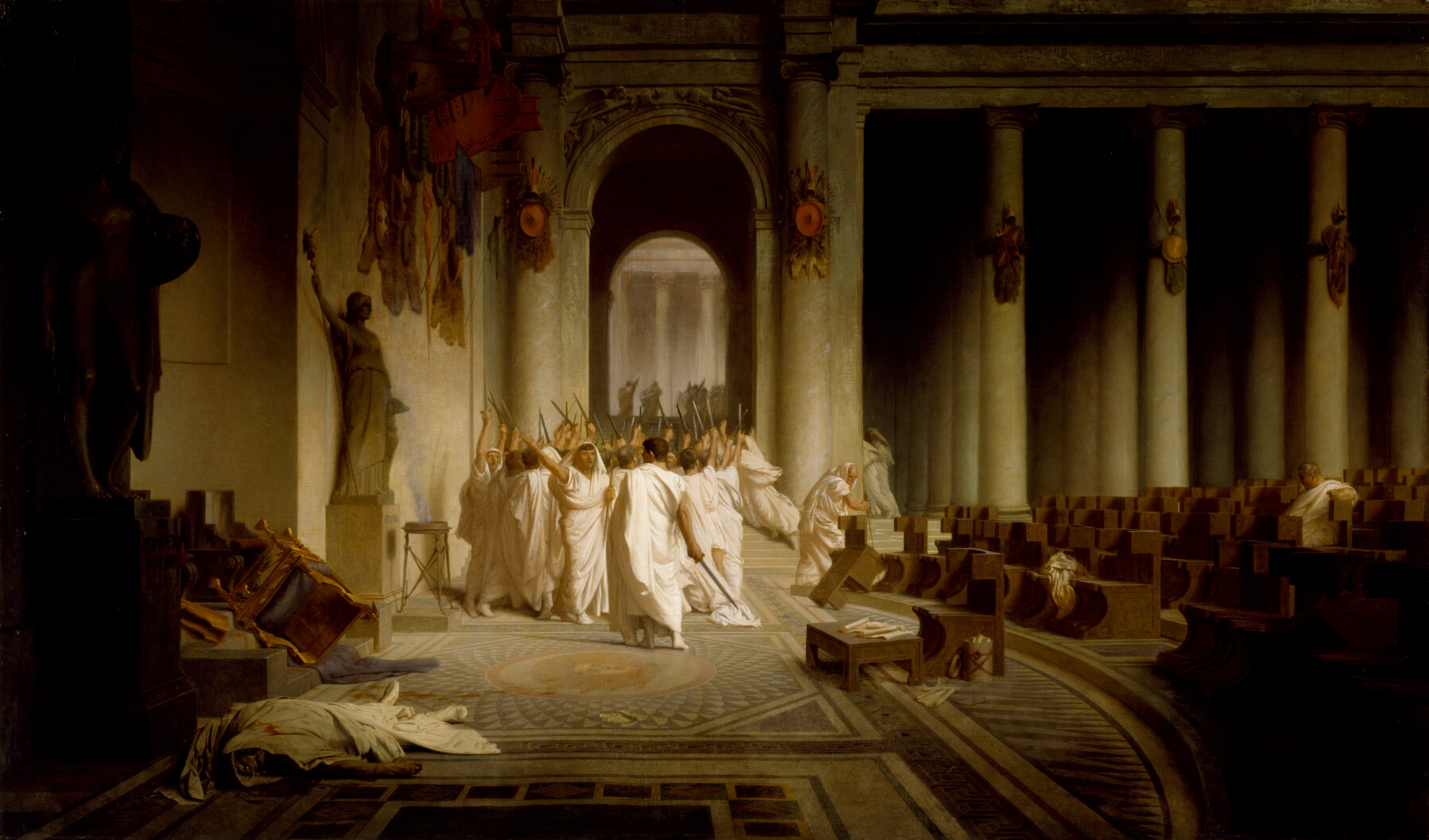
July wasn’t always July. Originally called Quintilis—simply “the fifth month” in Rome’s early ten-month calendar—it was renamed in 44 BC to honor a man who would never see the tribute. Julius Caesar, Rome’s dictator perpetuo, had been assassinated just months before. The senators who voted to rename the month? Many were the same men who had approved his killing.
A striking irony: Caesar, the man who reformed the entire calendar system to bring order to Rome’s chaotic lunar timekeeping, ultimately became part of it. His Julian calendar brought structure and precision to how the world measured time. But he only achieved such immortality after being murdered on the Senate floor.
July is the calendar’s first monument to a man. A month built not on myth, but on policy. Not on legend, but on system.
The Heat, the Peak and the Price
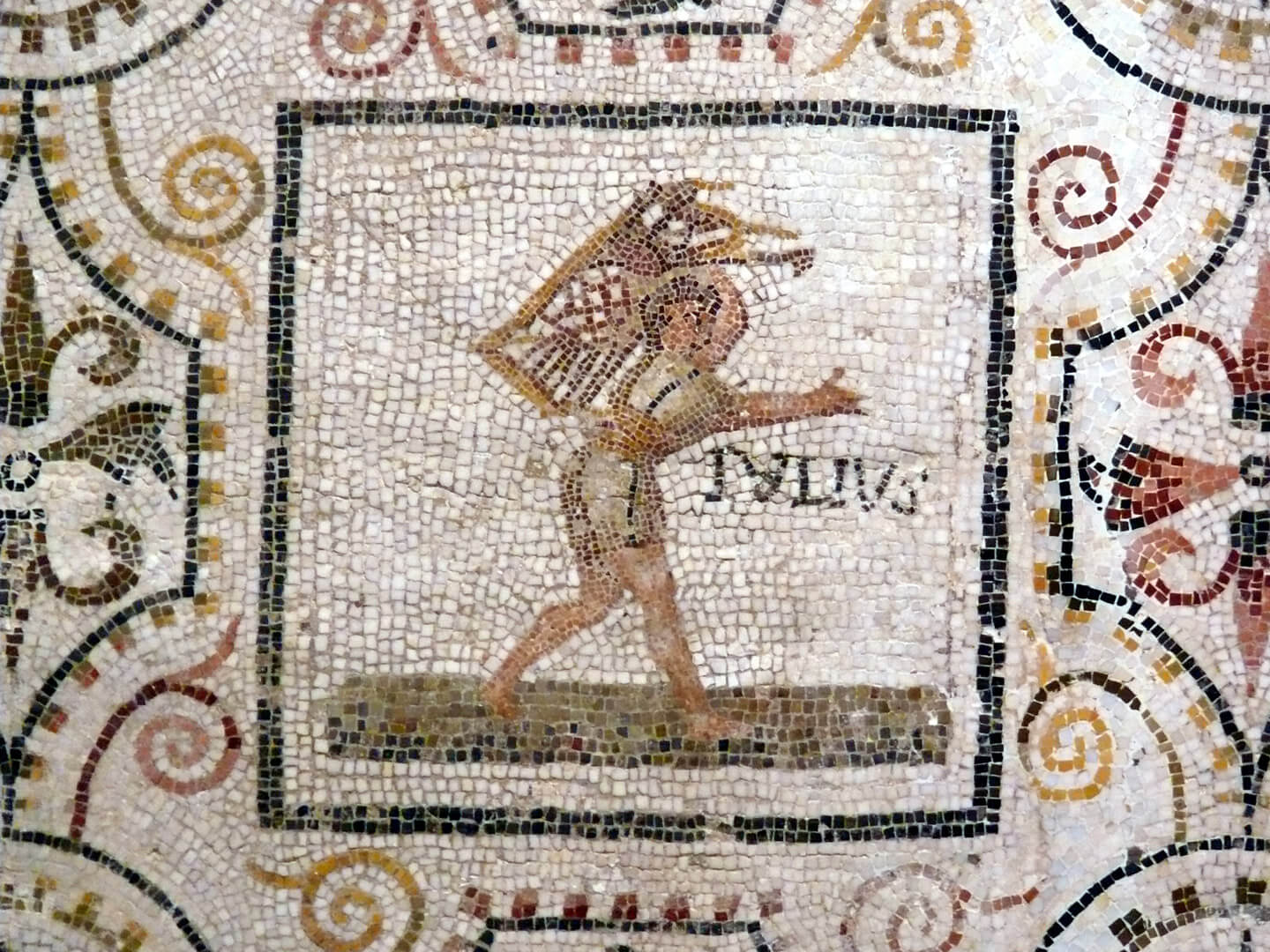
The heat of July carries its tension. Without the gentleness of spring nor the reflective tone of autumn it’s the equinox, the peak. The farthest reach of light and ambition. A time of revolutions, but also of reckoning. As Caesar himself learned when his ambition tipped too far.
Today we live under Caesar’s legacy, repeating his name in our calendars without much thought. July rolls around each year, predictable as clockwork. Yet something lingers in this monthly tribute—not worship, not love, but something more sobering.
The permanence of consequences.