
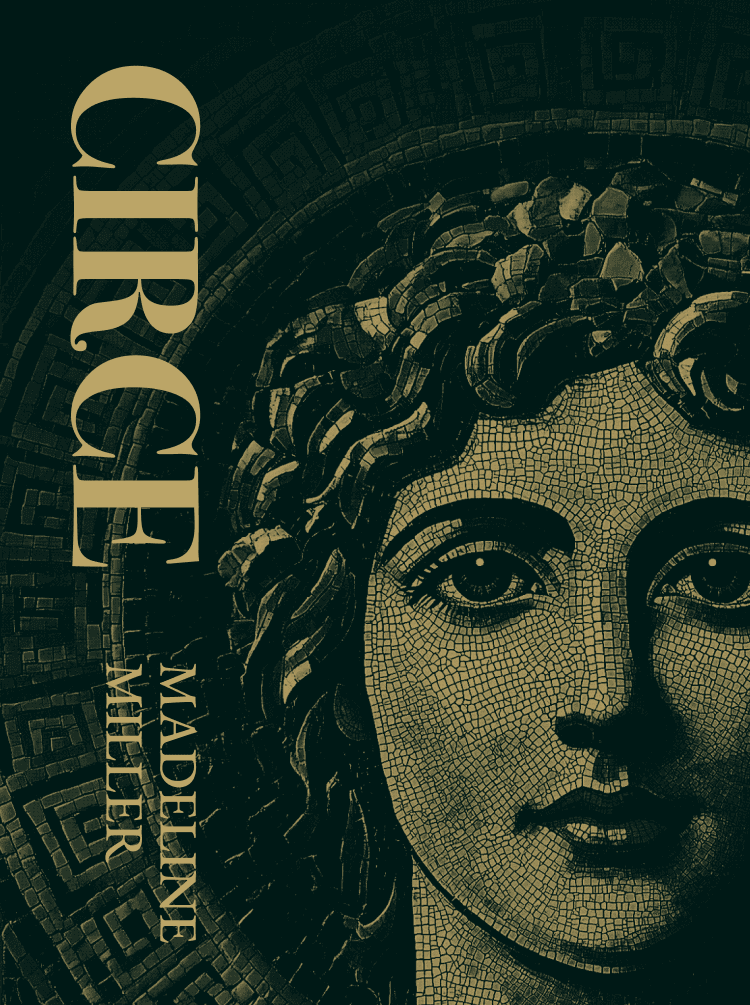
Fresh Winds Blowing on an Ancient Tale
In an era of commercial cinema overflowing with remakes and franchises stretched to their limits, what can we expect from a literary spin-off? With this unconscious question in mind, I immersed myself in Madeline Miller’s Circe without reading synopses or reviews.
Periodically, I delve deeply into particular works, exploring related content across multiple media. In 2024, I reread The Odyssey and, since then, have turned to films, series, and podcasts about the epic. In an Italian literature podcast, this complementary read was mentioned, which introduced me to a story I knew nothing about.
Circe offers a fresh perspective on the legendary sorceress goddess of The Odyssey, far beyond her presence in the poem. Here, Circe takes center stage, narrating her journey with intimacy and power. She explores her relationships with gods and mortals and her own timeless existence. Miller masterfully humanizes immortality, transforming myths into complex, contradictory characters and situations.
Circe’s tale also involves Telegonus, the son of her relationship with Odysseus. Telegonus has been part of mythology since the 5th century BCE, when his successful story was told. His narrative, a sequence of the original poem, was lost over time, but it survived as folklore, particularly in Italy.
Circe celebrates independence and female strength in an engaging, lyrical style. It rises above the simplistic, black-and-white narratives of hero fables, offering a striking contrast. It is based on the collision of opposites: delicacy and strength, transience and eternity—it builds a fascinating character, making it impossible not to lose oneself in its pages.