Since I wasn’t educated in English, I rarely came across Shakespeare in school. My first experience came at fifteen and left me unimpressed. Only as I grew older did I start to appreciate his excellence. The Tempest is a fortunate late discovery, one of those “lost stories” we feel very lucky for stumbling upon.
The connection feels almost destined: I live in Milan and constantly study the stories that shaped this region’s past, only to discover that Shakespeare had woven the city into one of his greatest works. The Tempest bridges my two passions—history and literature—as the Bard’s genius bends real figures and conflicts to create wonder.
In his final and most personal work, Shakespeare seems to speak directly to us readers. After the protagonist closing speech I sensed a clear invitation to become more than mere audience. I felt compelled to carry Shakespeare’s art beyond ‘that island’ where it should never be confined.
The bard maintained his brilliance throughout his career, but he could hardly have ended it more perfectly than with The Tempest. With this compact masterpiece and its countless avenues for reflection, I was left both peaceful and unsettled. Yet certainly invited to linger deeply on what I just experienced.
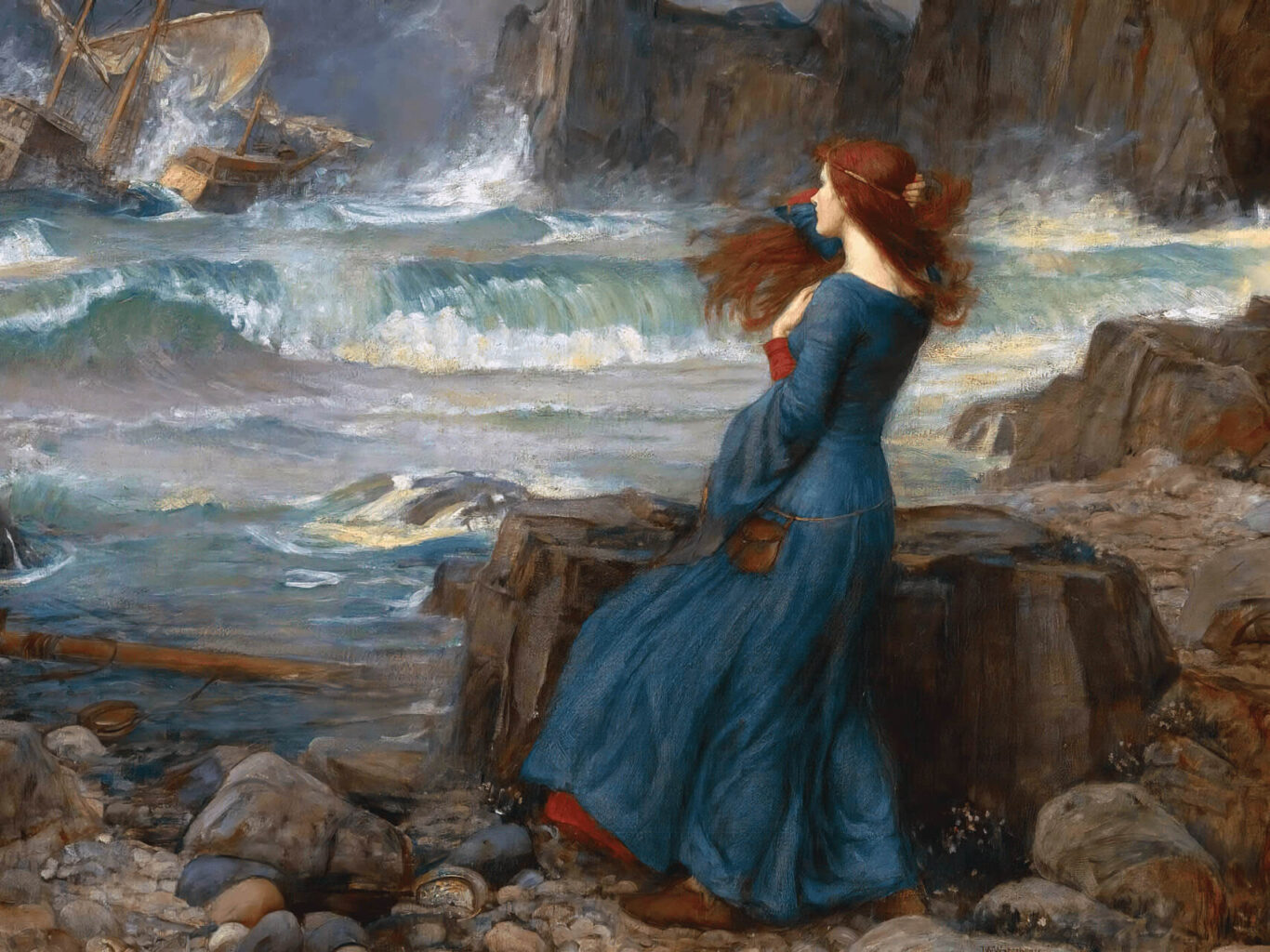
Miranda. John William Waterhouse (English, 1849 – 1917) 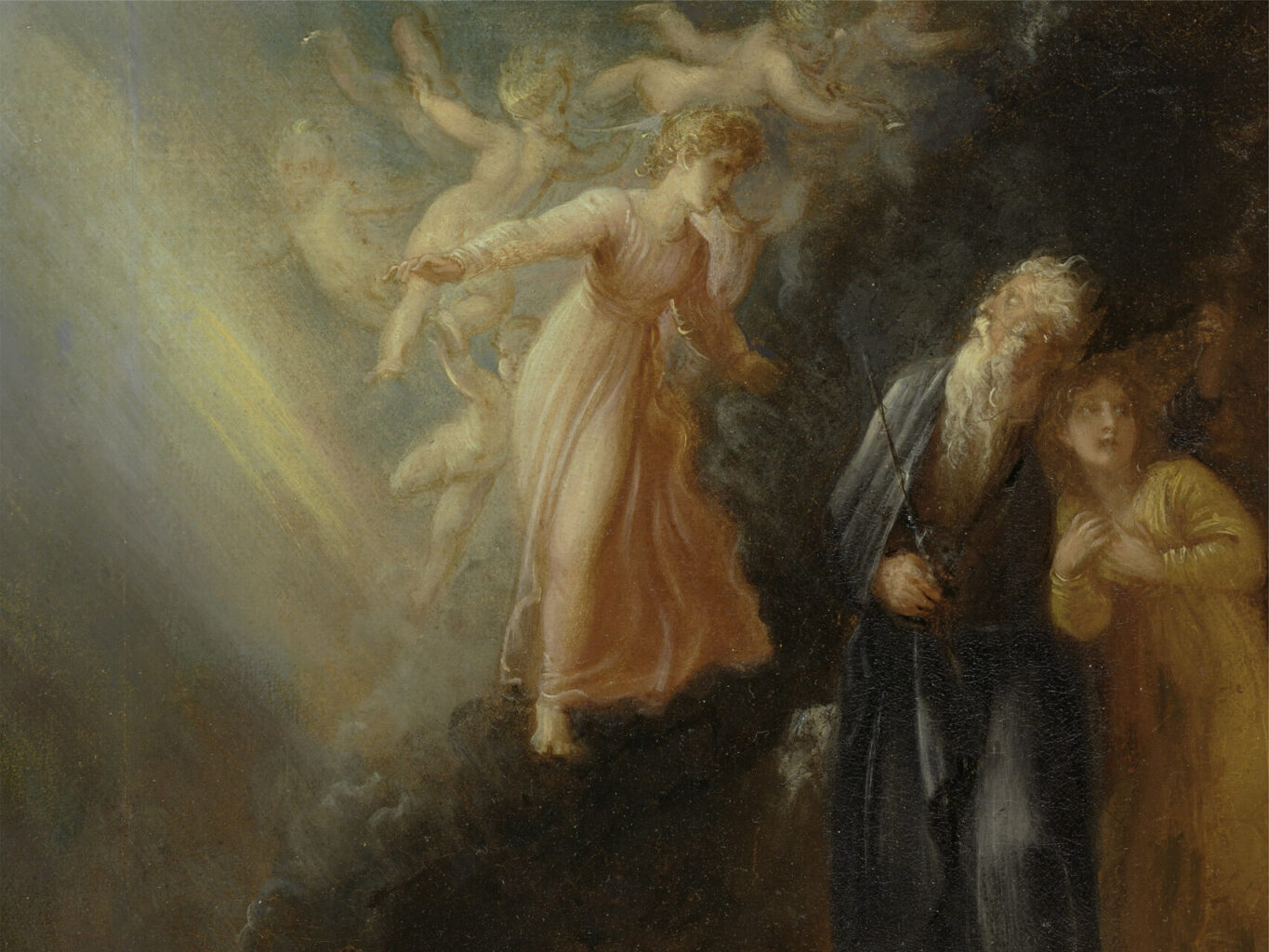
Prospero, Miranda and Ariel. Thomas Stothard (English, 1755-1834) 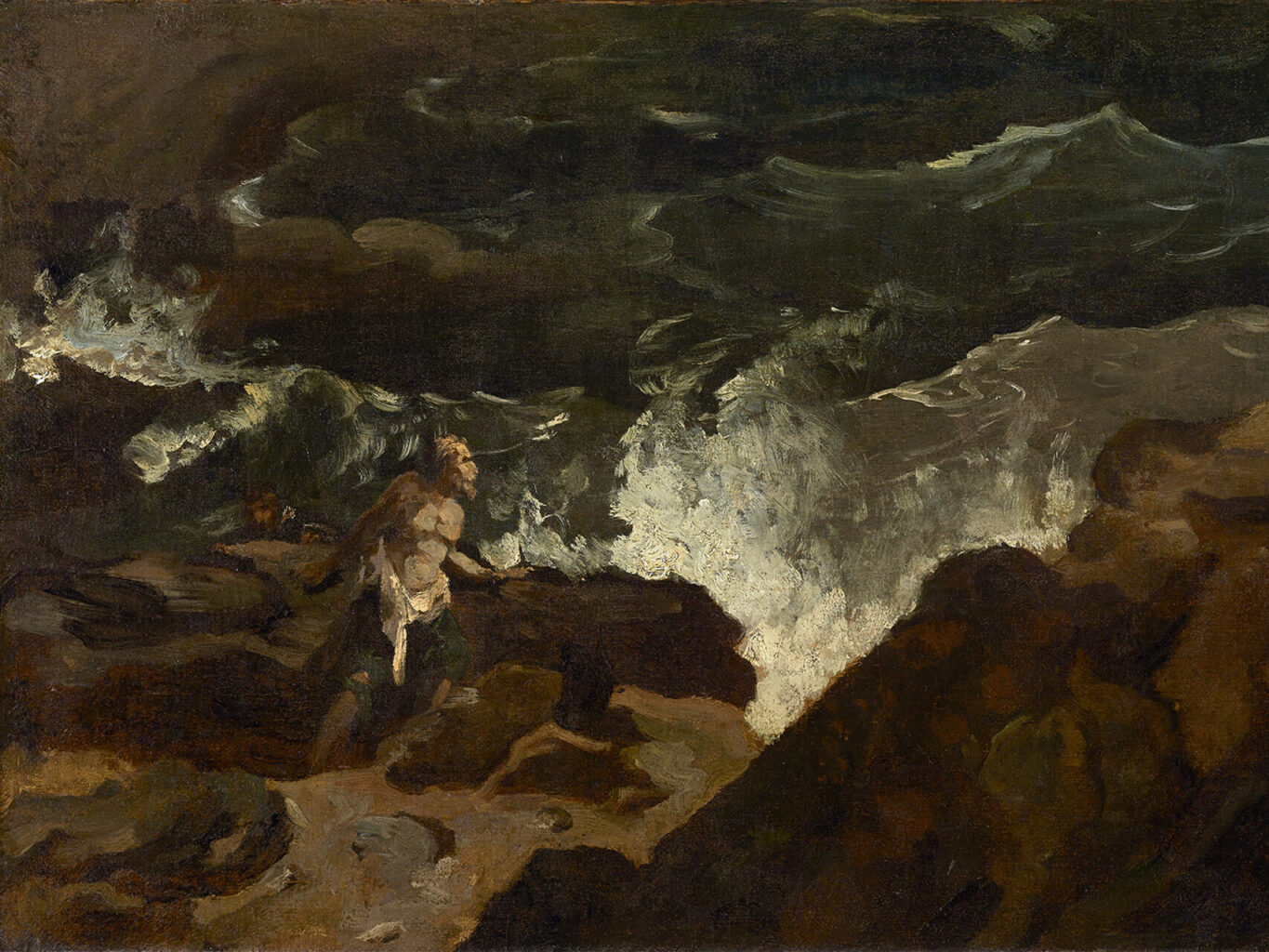
Shipwrecked on a Beach. Théodore Géricault (French, 1791-1824) 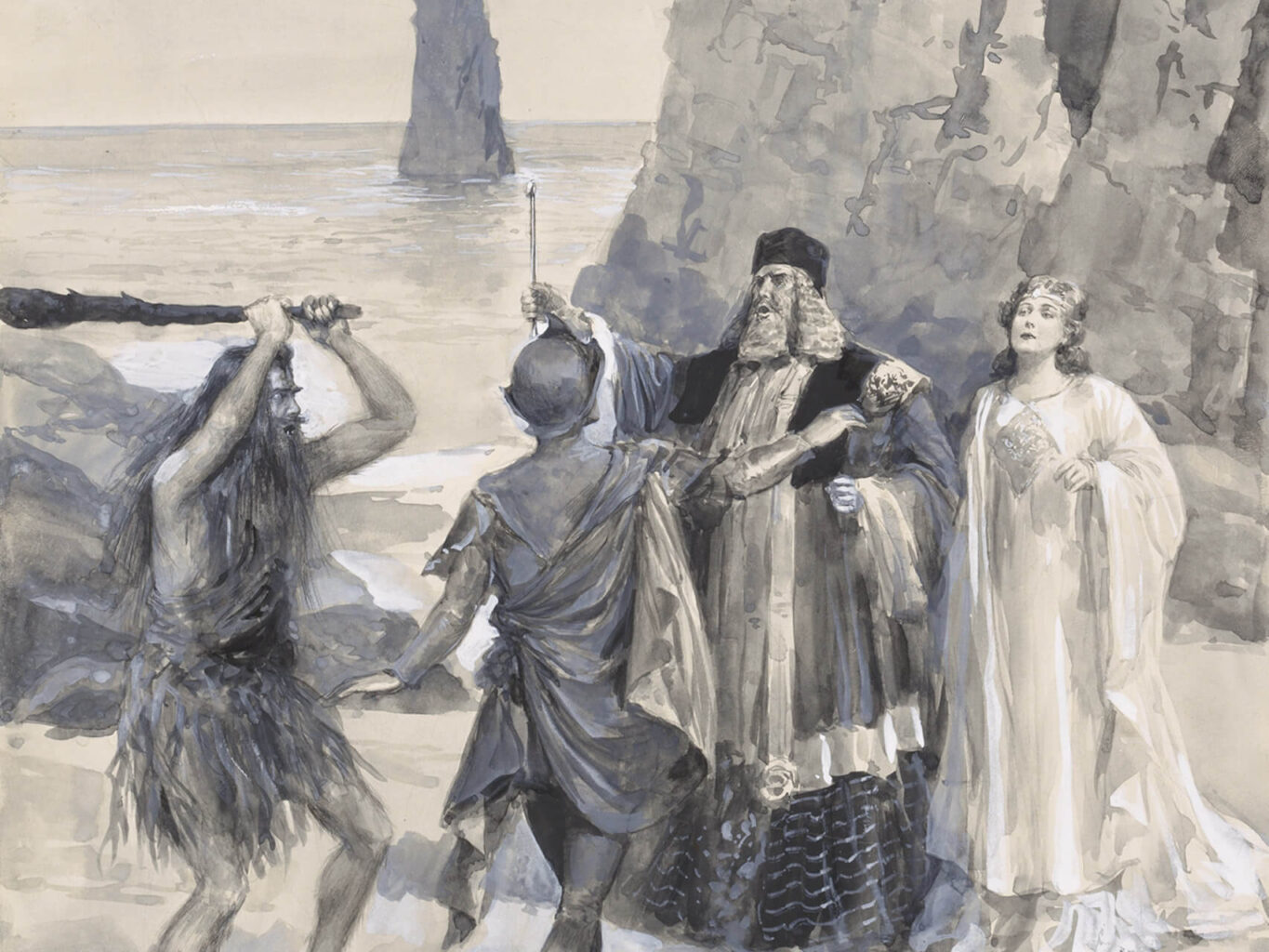
Act I,2 as performed at His Majesty’s Theatre. A.M. Faulkner 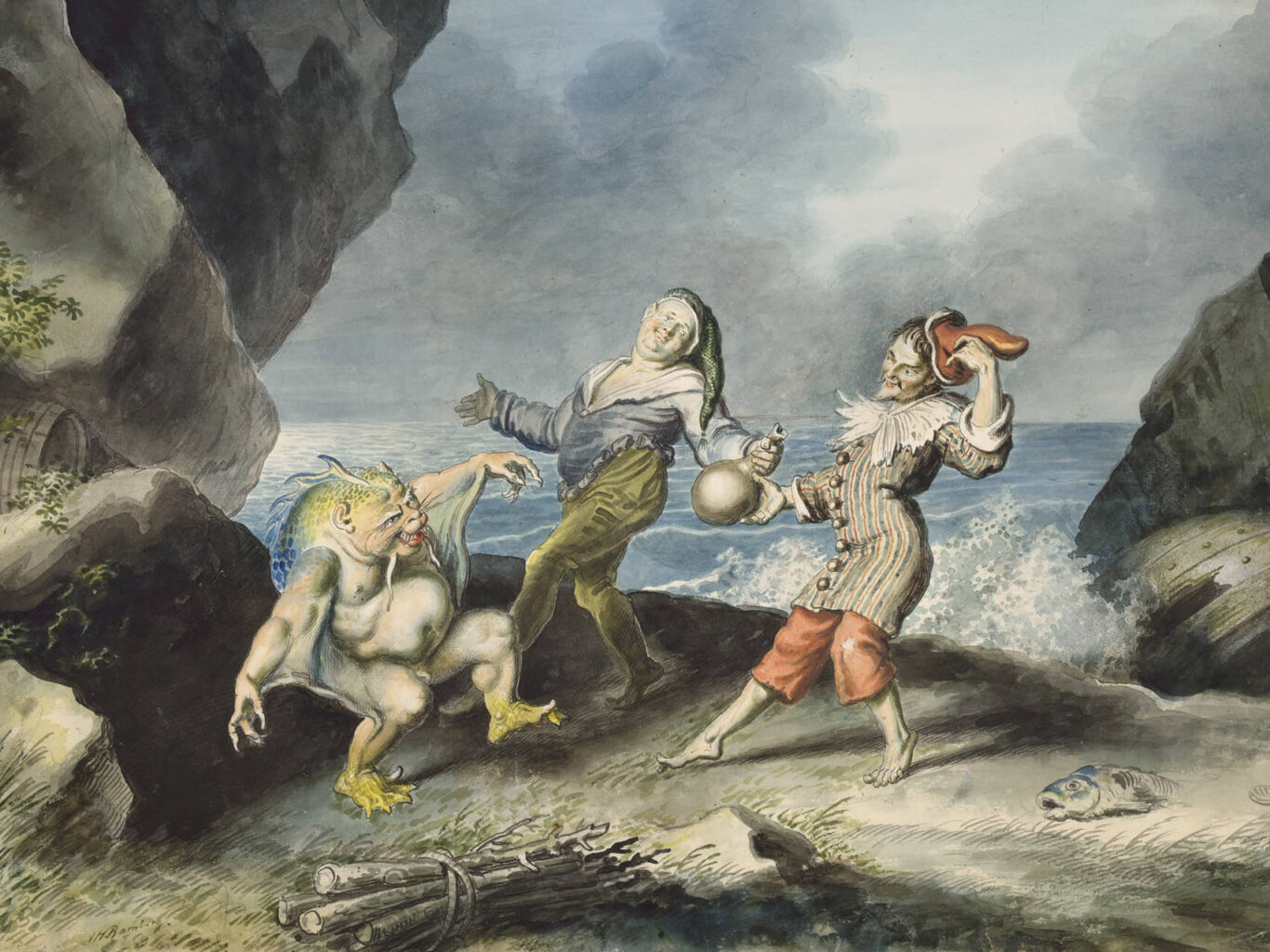
The tempest, II, 2, Caliban, Stephano and Trinculo. Johann Heinrich Ramberg (German, 1763 – 1840) 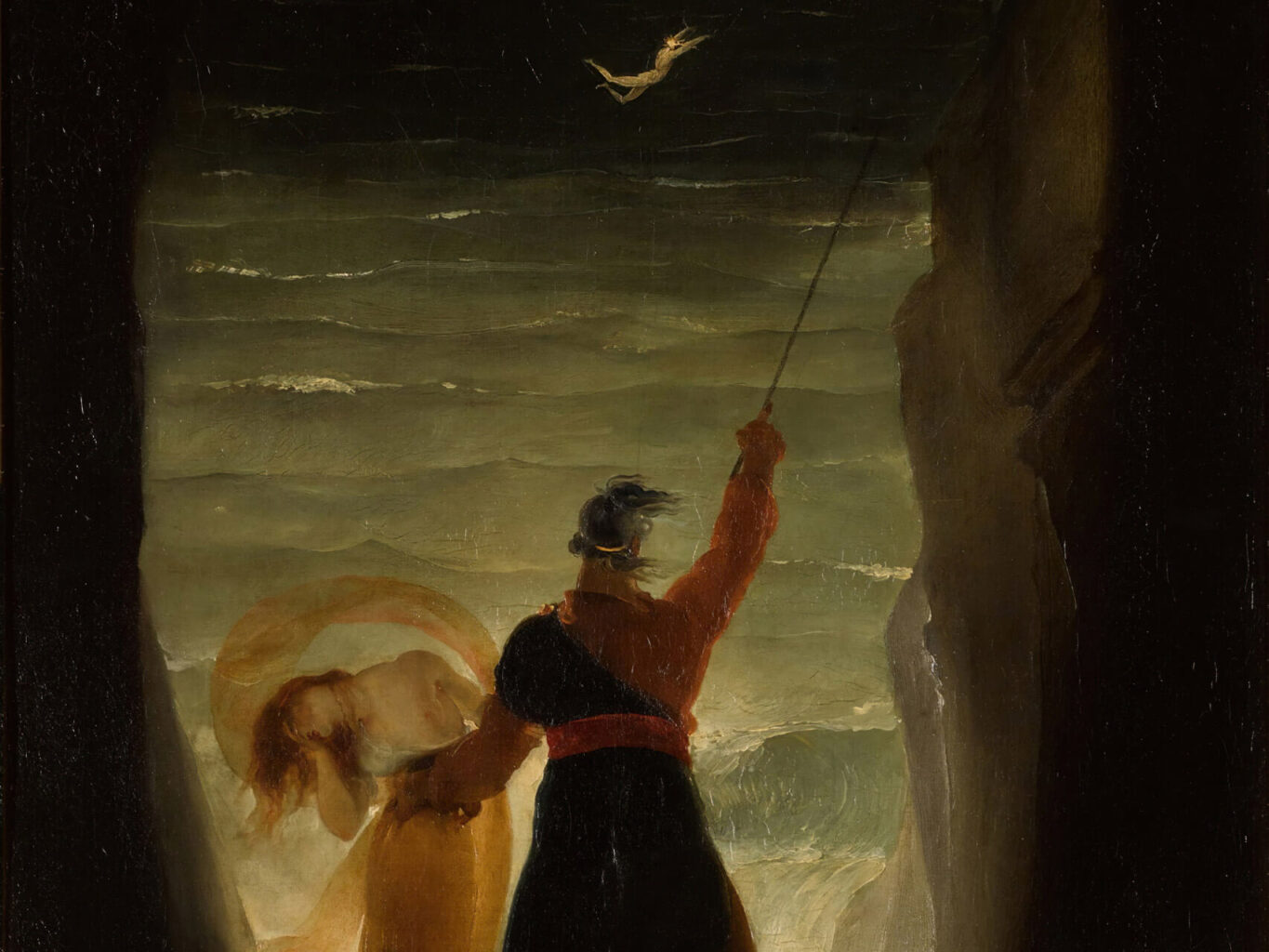
Prospero And Ariel. Joseph Severn (English, 1793 – 1879) 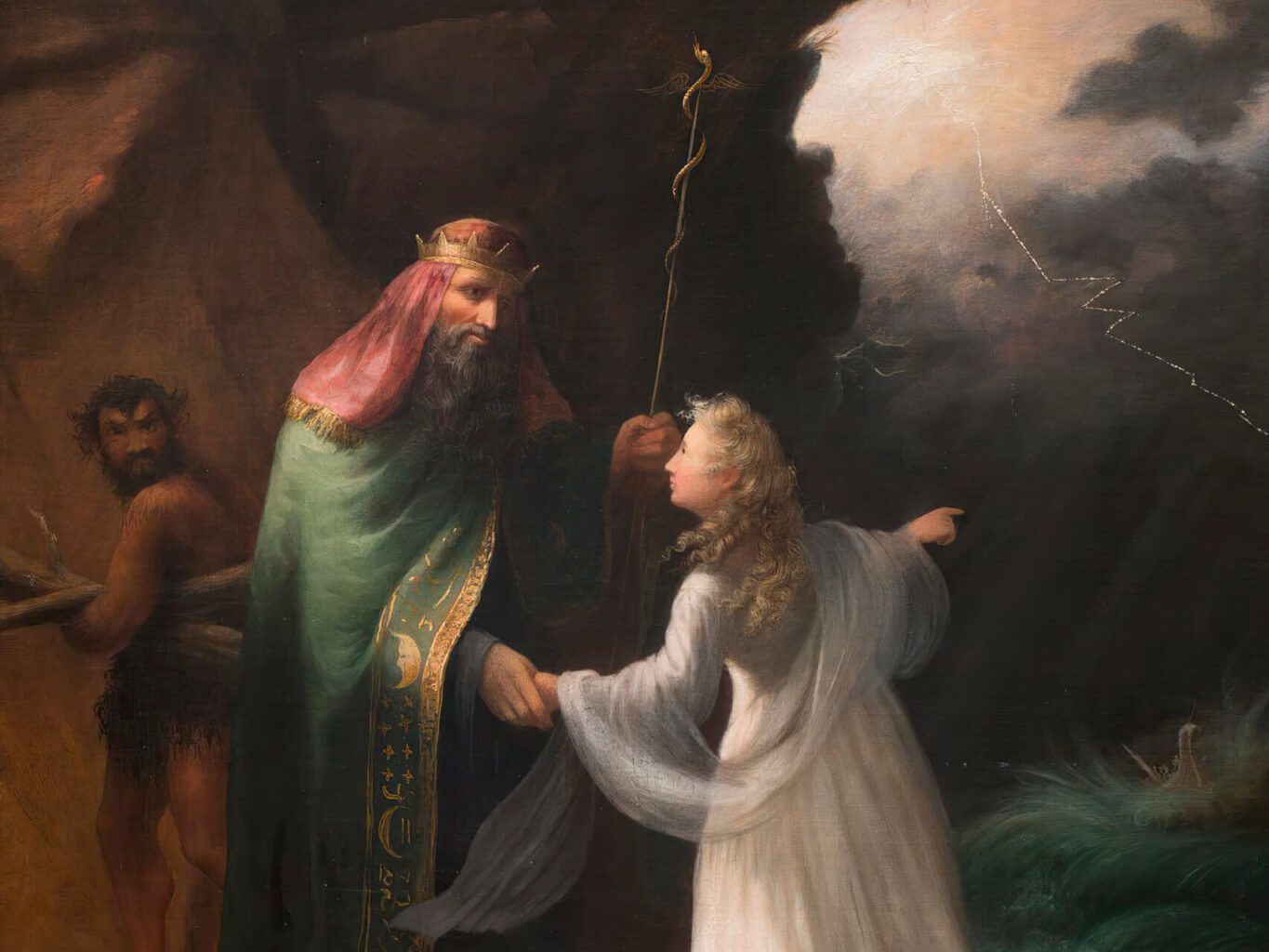
Scene from the Tempest. William Rimmer (American, 1816 – 1879) 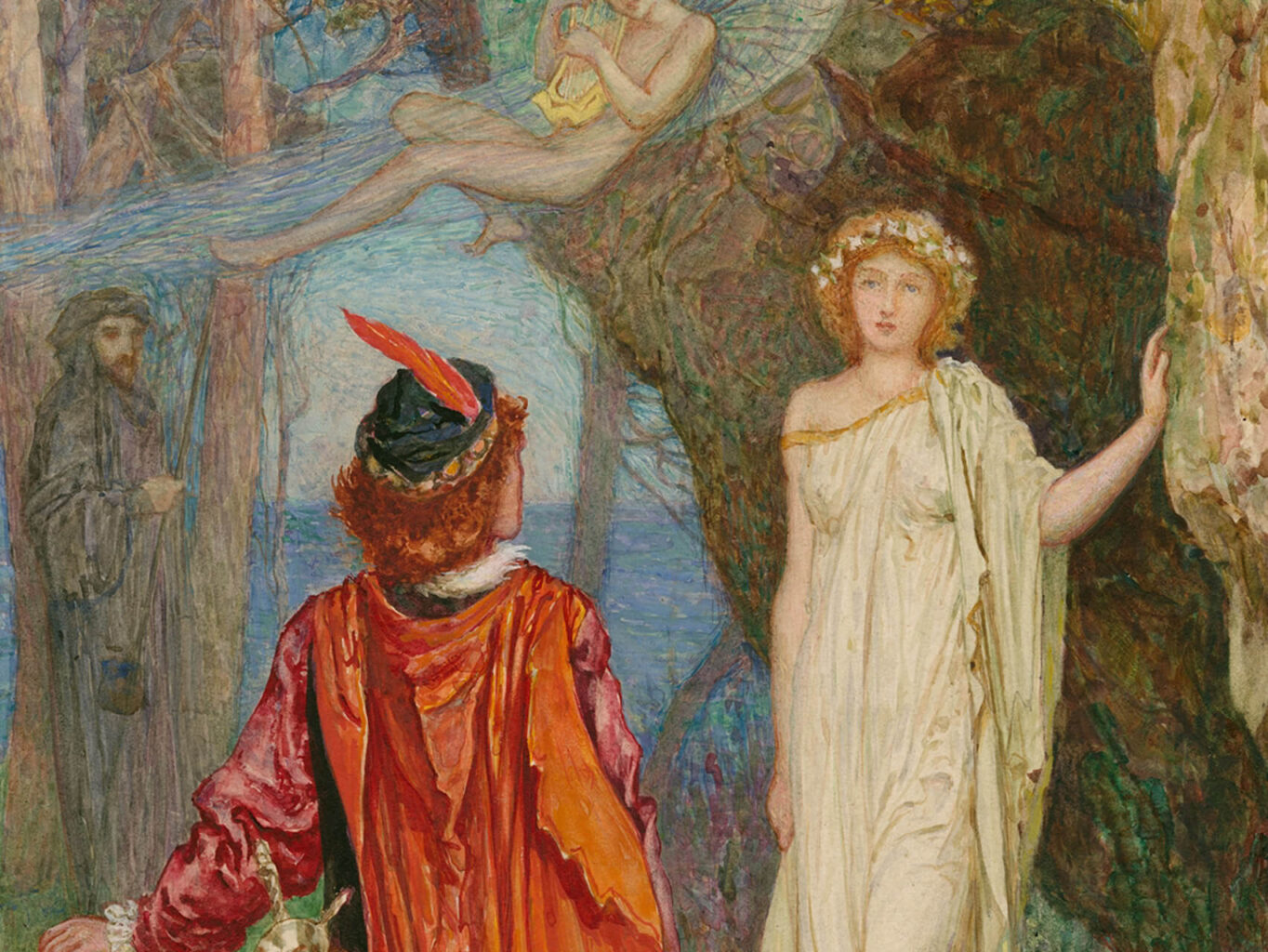
The tempest, I, 2. Henry Justice Ford (English, 1860–1941) 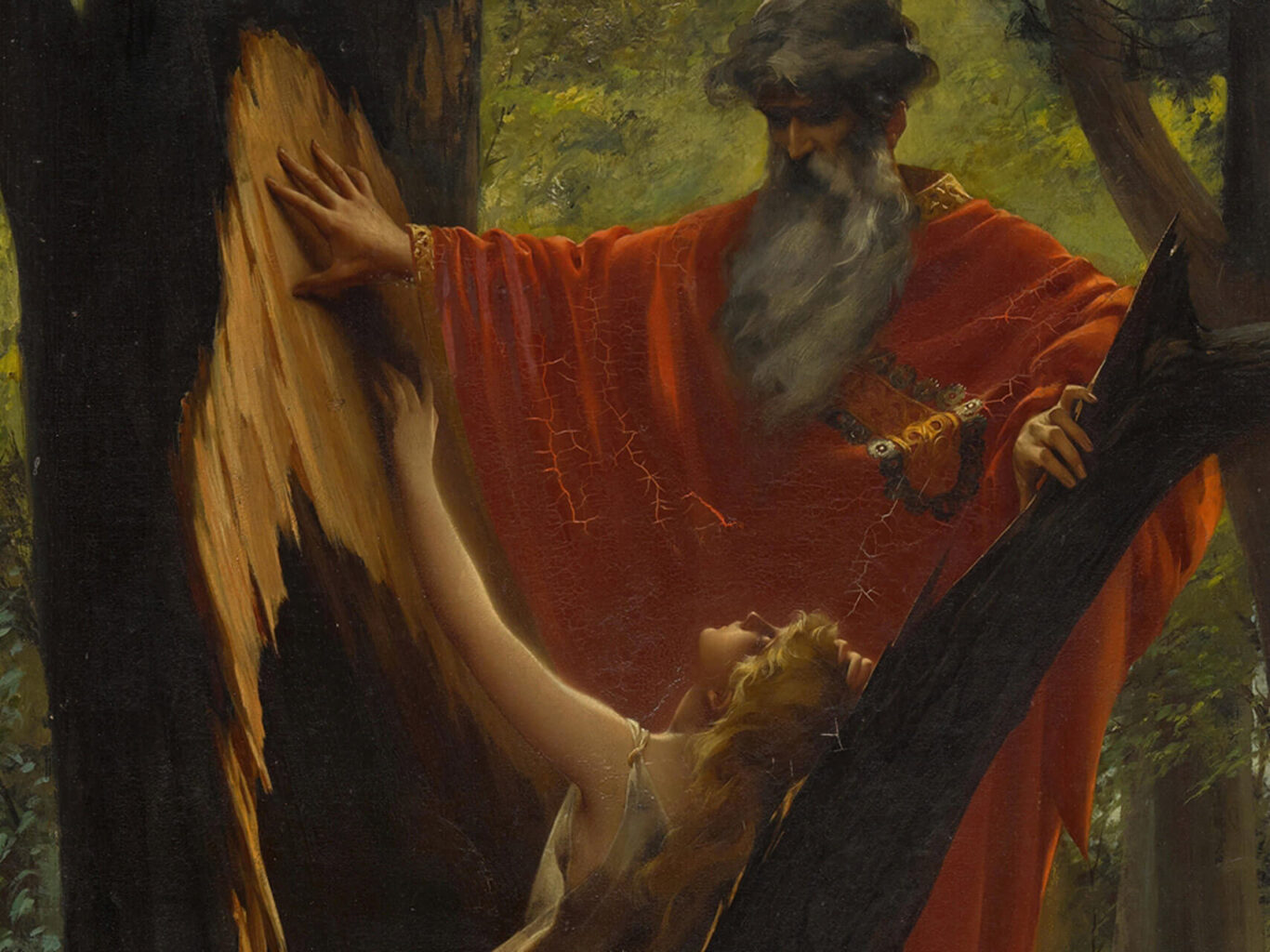
The Tempest. Luis Ricardo Falero (Spanish, 1851 – 1896) 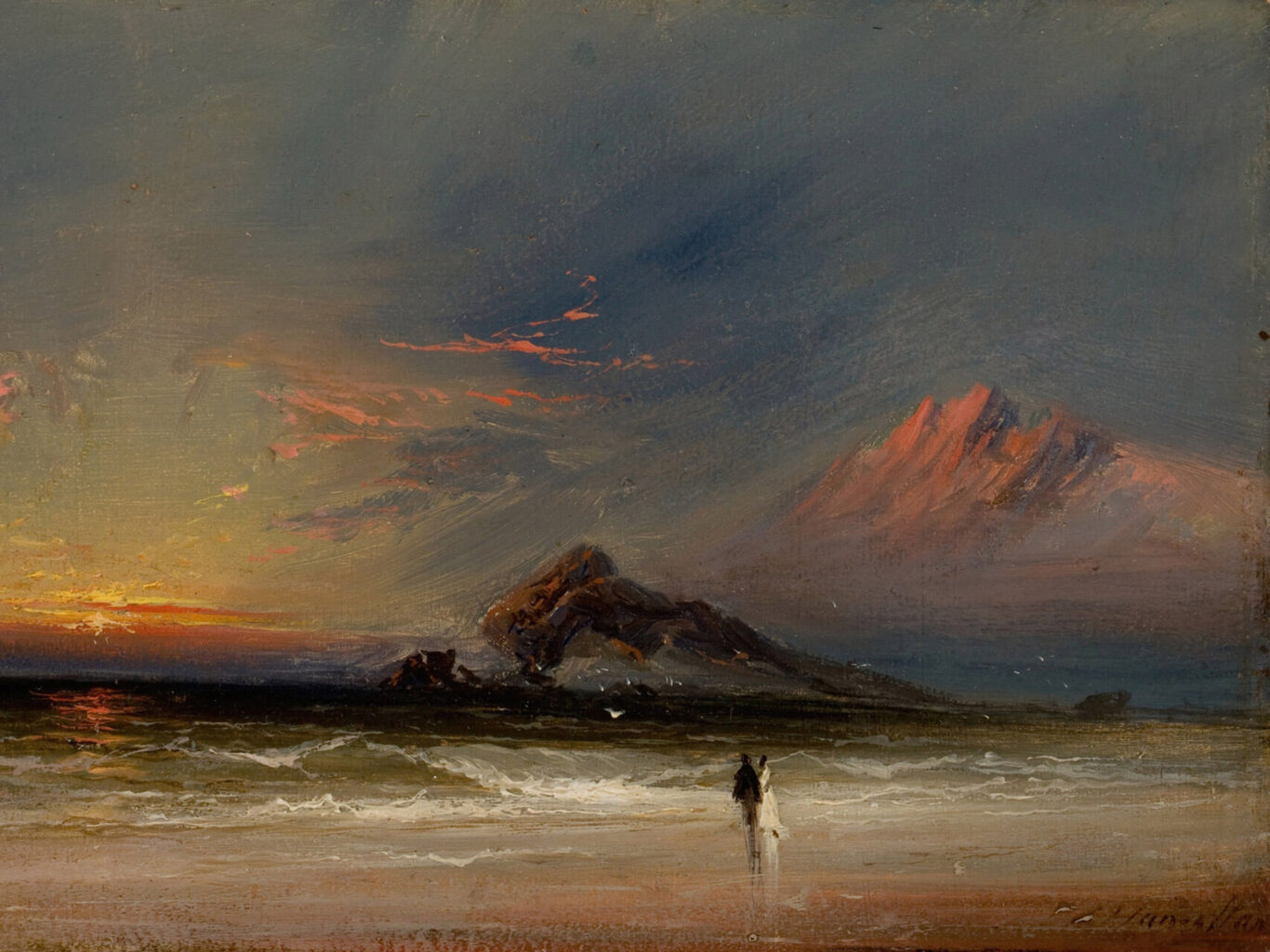
From the Tempest. James Hamilton (American, 1819-1878) 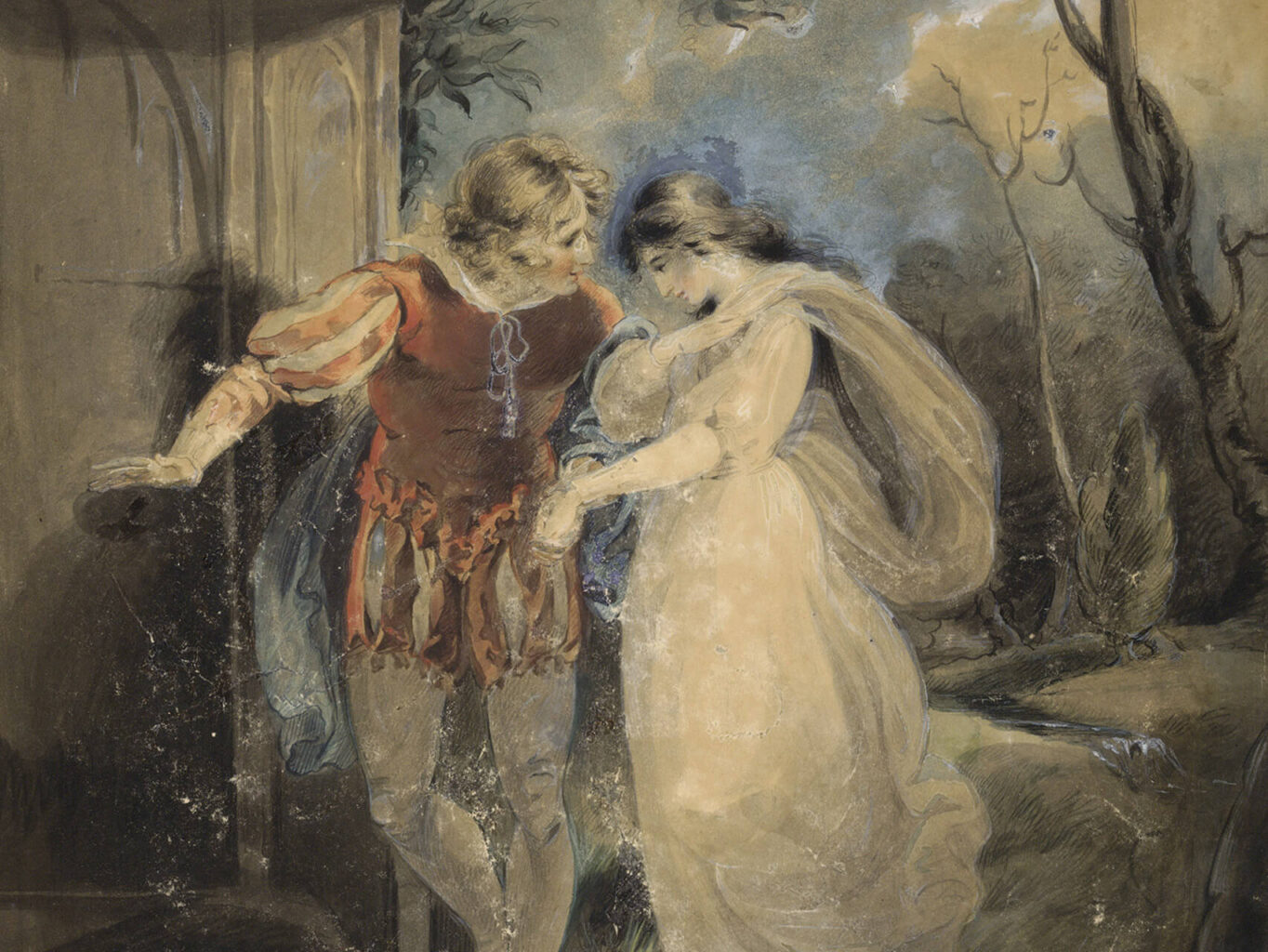
The tempest, III, 2, Ferdinand and Miranda. Richard Westall (English, 1765 – 1836)
Cutting to the Chase
As always, this discovery proves that great art finds us when we’re ready to find it. It’s a 10/10. ✨
Further Exploration
The Tempest rewards deeper study, and I found that listening to scholars and literature experts enriched my understanding immeasurably. Here are my podcast recommendations for diving deeper into Shakespeare’s final masterpiece, in English and Italian:
