
As a designer, I am constantly remixing. I cut pieces, reinterpret their use, and assemble something new from what came before. We all do that. Years ago, this idea even became a movie because ‘everything is a remix.’
This is why Frankenstein has always resonated with me. In 2025, the brilliant Guillermo Del Toro released another remix of this remarkable story. While it’s not a bad adaptation, it breaks the magic, and I can tell you exactly why.
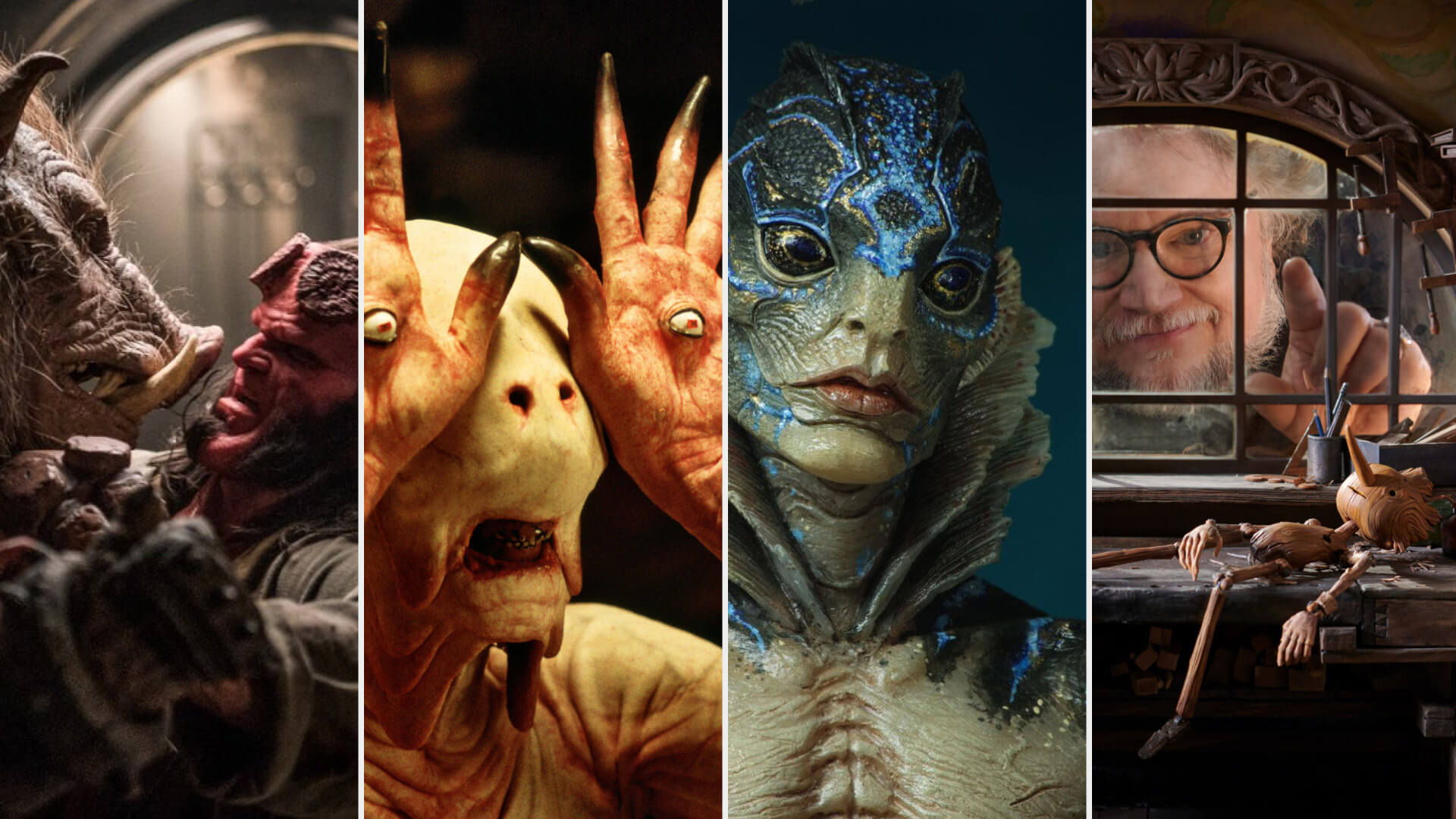
Once you want your remix to be recognizable, you must respect the non-negotiable rule of preserving the essence, the heartbeat of the original. Change the core mechanism, and the entire thing breaks.
Mary Shelley’s classic revolves around repulsion. Victor Frankenstein envisioned beauty and perfection, but when his creation opened its eyes, he was horrified and recoiled. It’s not a typical fable of fetishized horror but a cautionary tale of the total failure of despising the weakest.
The newborn being is described as a corpse, a demon, a mistake. Not an evil creature, but unbearable to look at. And this is the engine of the tragedy. After being rejected, the creation becomes a creature. As we all would do given the circumstances.
The visuals are striking, but Del Toro’s creature isn’t horrifying. The monster’s makeup is soft, like a gentle alien that just arrived on Earth or the Engineers from Prometheus. Victor tries to connect, then suddenly grows impatient and turns to hatred. It feels arbitrary rather than visceral.
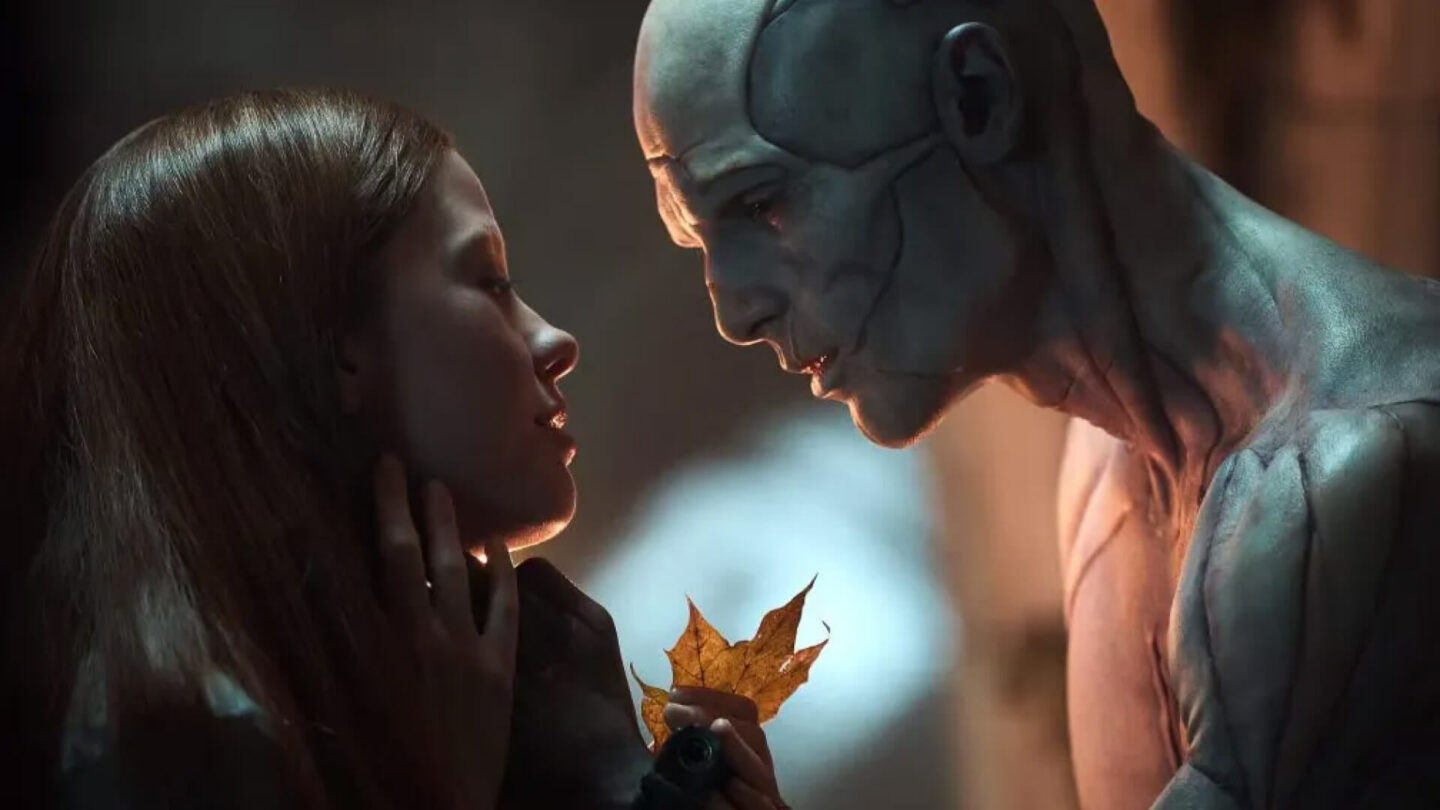
Without the shock of horror, the story loses its foundation. If Victor doesn’t cringe in disgust, why abandon his most precious work? Why not try to fix it? By softening the creature’s appearance, the film makes him sympathetic from the very first frame and flattens tragedy into simple cruelty.
The monster’s appearance matters because it causes that world to fall apart. It’s not just a detail but the entire story.
In Frankenstein, the principle is dread. It is about the evil that men do (that lives on and on)—as Shakespeare and later Iron Maiden reminds us. Not some fashion symbolic horror, but the raw, irrational revulsion that turns diversity into a monstrosity.
Remove it, and the rest just… happens.
