Gathering with Automattic’s most creative people brought a new context to an old idea. What was called polymathy (the capacity to move across domains without losing judgment ) was, for most of modern history, a luxury. Specialization was the rational bet: You went deep, became indispensable, and stayed there.
What’s shifting now is the rapidly decreasing cost of crossing domains. We should engage with AI not only to speed up existing tasks but also to broaden our potential achievements.
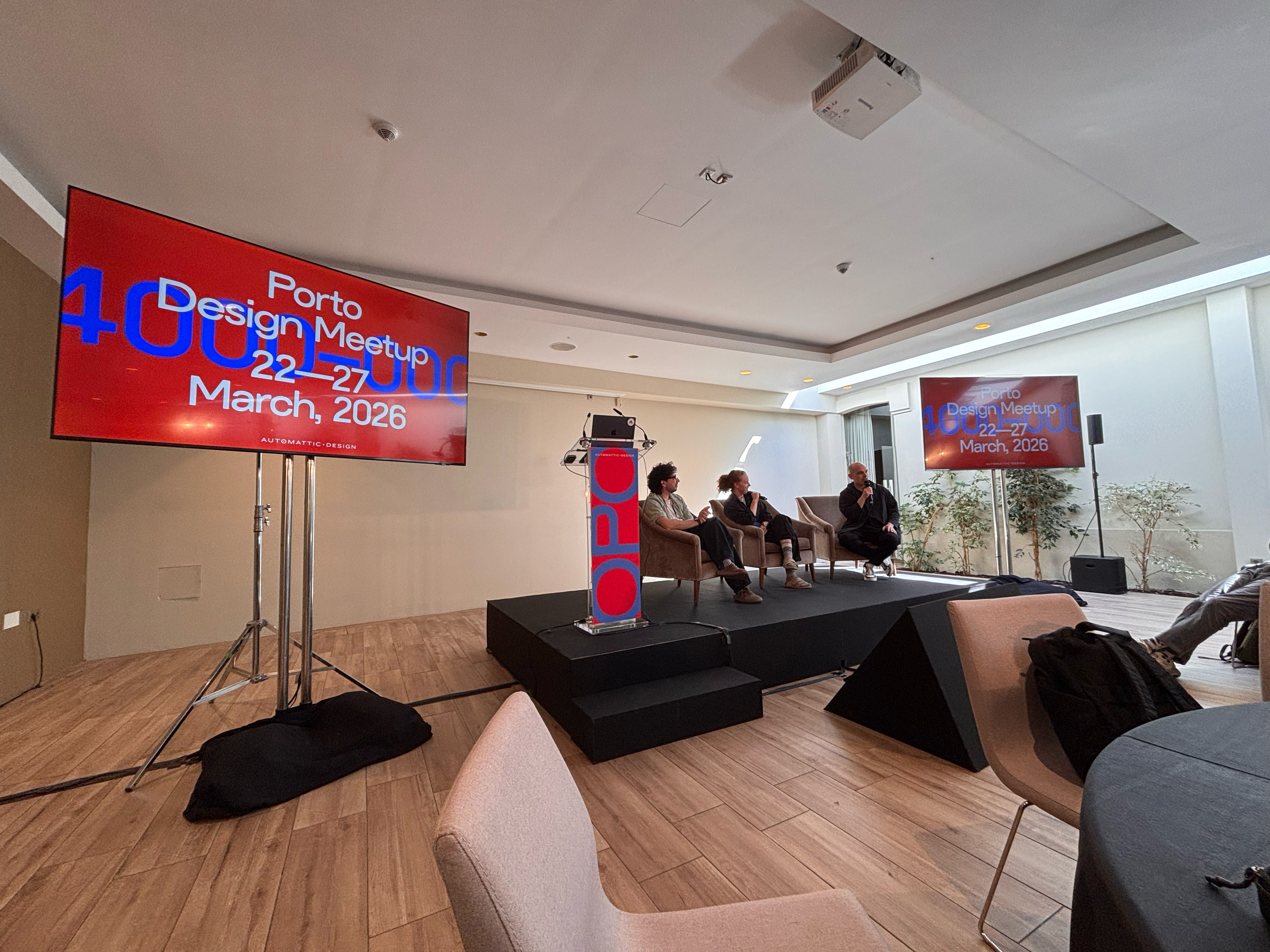
From the first day at Porto, we understood that Automattic Design wants to invest in its people to make them superdesigners and grow with them.
The distance between thinking and building
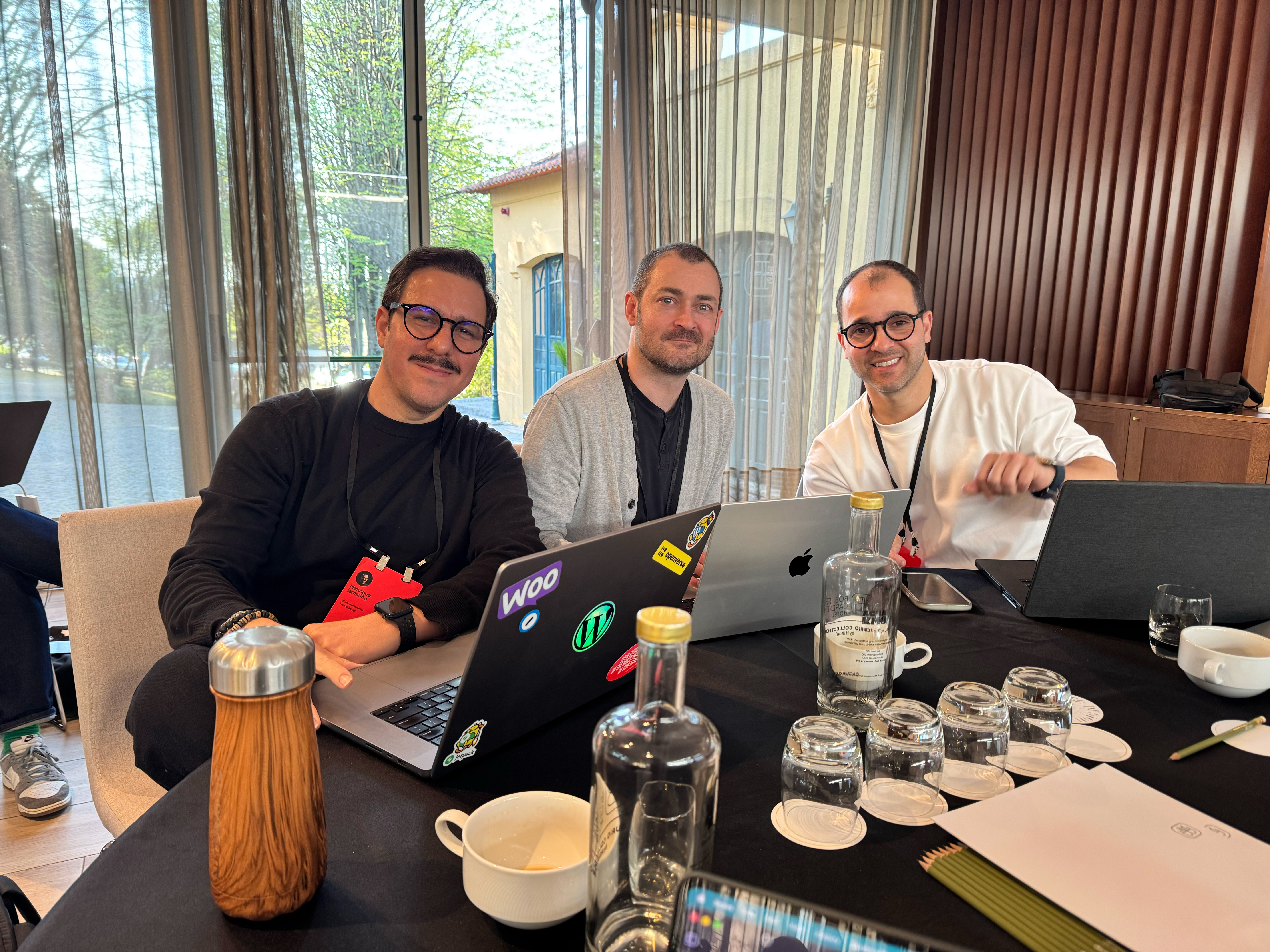
It started with three of us sitting down with no particular plan and building something that kept expanding—a landing page became a plugin, the plugin acquired features, language support appeared, and the idea kept finding new edges. The distance between thinking and building felt shorter than usual. Not because the thinking was shallower, but because the friction between idea and implementation had been reduced.
This lower-friction rewards certain kinds of minds—especially those already comfortable moving across fields and areas—to direct rather than to execute. It doesn’t remove the need for depth, but it changes where it needs to live.
Where the system breaks
Later in the week, I spent most of the time trying to build a WordPress theme from scratch using only prompts. It didn’t work well. Theme development is sequential and structurally fragile: early decisions constrain everything downstream, and the dependencies between components aren’t always visible until something breaks. AI handled isolated tasks reliably, but it can’t hold the whole system in view.
This is a useful distinction: AI compresses execution for well-defined tasks; it still requires tight human guidance when the work is deeply sequential or when the cost of an early error compounds. The adjustment isn’t to avoid those domains—it’s to know the problems you’re in before starting.
Framing future projects and decisions
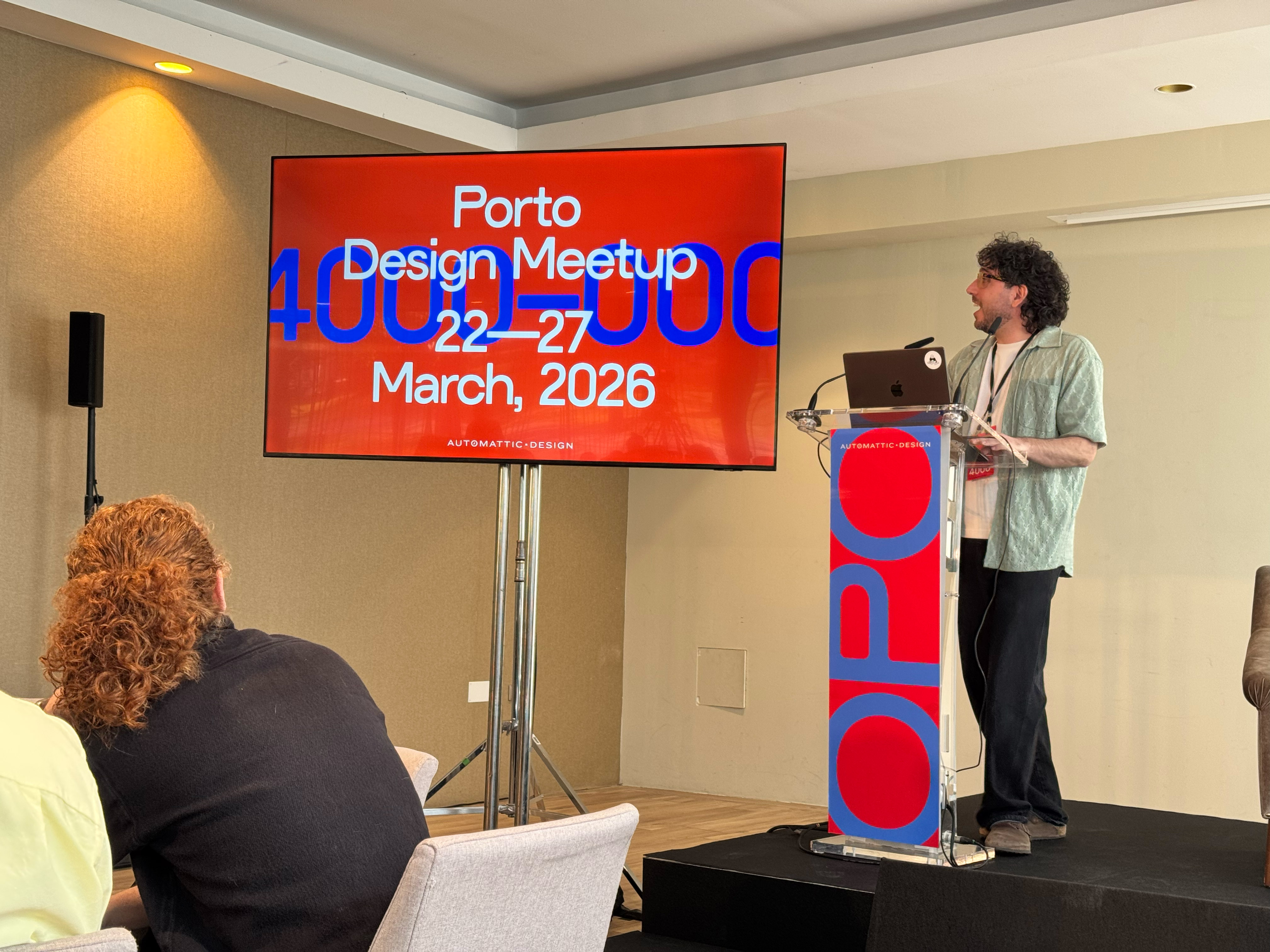
By the end of the week, what stood out wasn’t any single thing built. It was the shared fluency in the room. Everyone had spent several days with the same tools, working through similar problems. The conversations had changed register — less about whether these tools matter, more about how to develop judgment in using them.
The week also gave me time to focus on a larger project. Later, I’ll be designing the WordPress theme of the year, and the idea is shaping up around the Odyssey—not as myth or nostalgia, but as a human experience. As Ancient can relate to disorienting moments, I’ll explore areas like identity under pressure, creativity as wandering, and storytelling as a way to survive and be remembered.
