Sheehan Quirke’s first YouTube video has been generating buzz—no surprise given The Cultural Tutor’s massive following: over 1.7 million on X, 55.4K on Instagram, and more than 76K Substack subscribers.
The video is beautifully made, and Quirke presents a compelling case. His conclusion rings true, even if his lens is somewhat narrow: manufactured goods used to feature more ornamentation and visual richness, which is why people often say they were “more beautiful.”
I respect and admire his work, but I sometimes sense the influence of the Golden Age myth on his thinking—an old idea suggesting that the world was once better (and more beautiful), while today is fundamentally worse. However, although this view remains superficial and avoids deeper questions, the myth falls apart after a few minutes of philosophical and data analysis. Since ancient Greece, the Golden Age myth has been just a legend and should be understood as such.
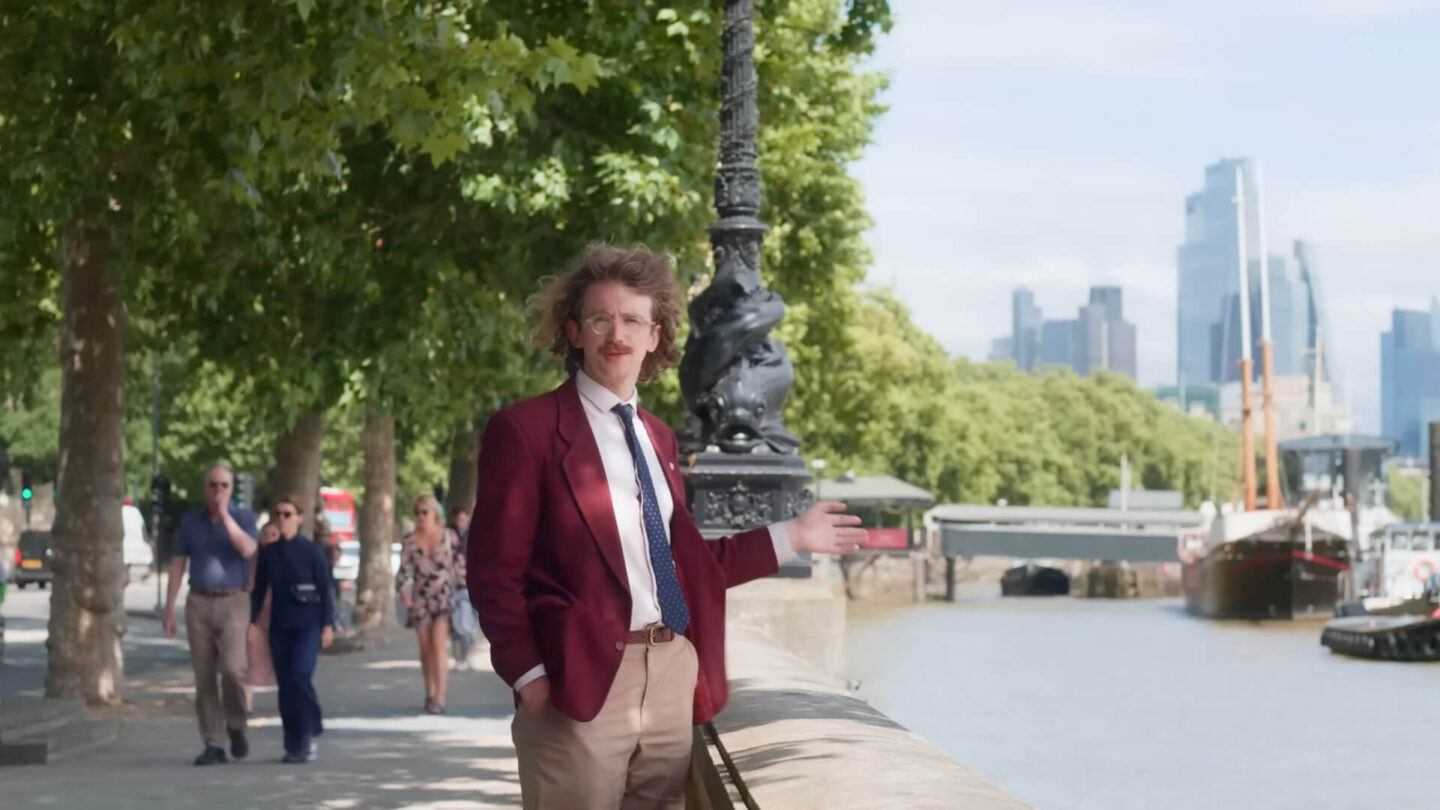
The Cultural Tutor | Sheehan Quirke
Are we comparing apples to apples?
The Parliament area along the Thames isn’t ordinary—it’s exceptional. Are prestigious areas today truly unattractive, or are they beautiful in different ways? Today’s grandeur centers around figures like Bezos and Musk, not around legislative buildings.
Beauty for the few or functionality for the many?
The City of London now operates five wastewater treatment plants and 38 pumping stations—far more infrastructure than existed when those ornate palaces were built.
Does the public actually want to pay for ornamentation?
Even wealthy nations struggle with debt, inflation, and underfunded retirement systems as birth rates decline. While beauty doesn’t always mean expense, the two are often linked in people’s minds.
The truth may be simpler than nostalgia suggests
Since the rise of Modernism, we’ve relied on convenience to reach larger audiences. When designing for millions instead of monarchs, priorities shift. The Minimalism that emerged wasn’t aesthetic laziness but democratic design in action. It was intentional, and it worked.
But it doesn’t mean it’s the final answer. We don’t need to choose between ornamented spaces for the elite and bare functionality for everyone else. Instead of asking how the world got so ugly, it would be better to focus on what kind of beauty we can build and sustain for most people.
Credits: Featured photo by Austin Farrington for Unsplash and The Cultural Tutor | Sheehan Quirke.
