
The other day, I finally watched Black Narcissus (1947), which had been on my watchlist for a long time. The movie—available on many platforms and for free on YouTube—is one of the most transporting films ever shot entirely in a studio, thanks to the brilliant work of two Oscar winners: art director Alfred Junge and cinematographer Jack Cardiff.
Skin, Color, and the Awkward on Screen
Among all its memorable scenes, one thing caught my attention and stayed with me until the moment I saw Nolan’s new release, The Odyssey.
At the start, we meet Mr. Dean, a rugged British agent for a Himalayan general. The only European in the remote village, he acts as a blunt guide and foil to the Anglican nuns trying to establish a convent. Here’s how we first see him.
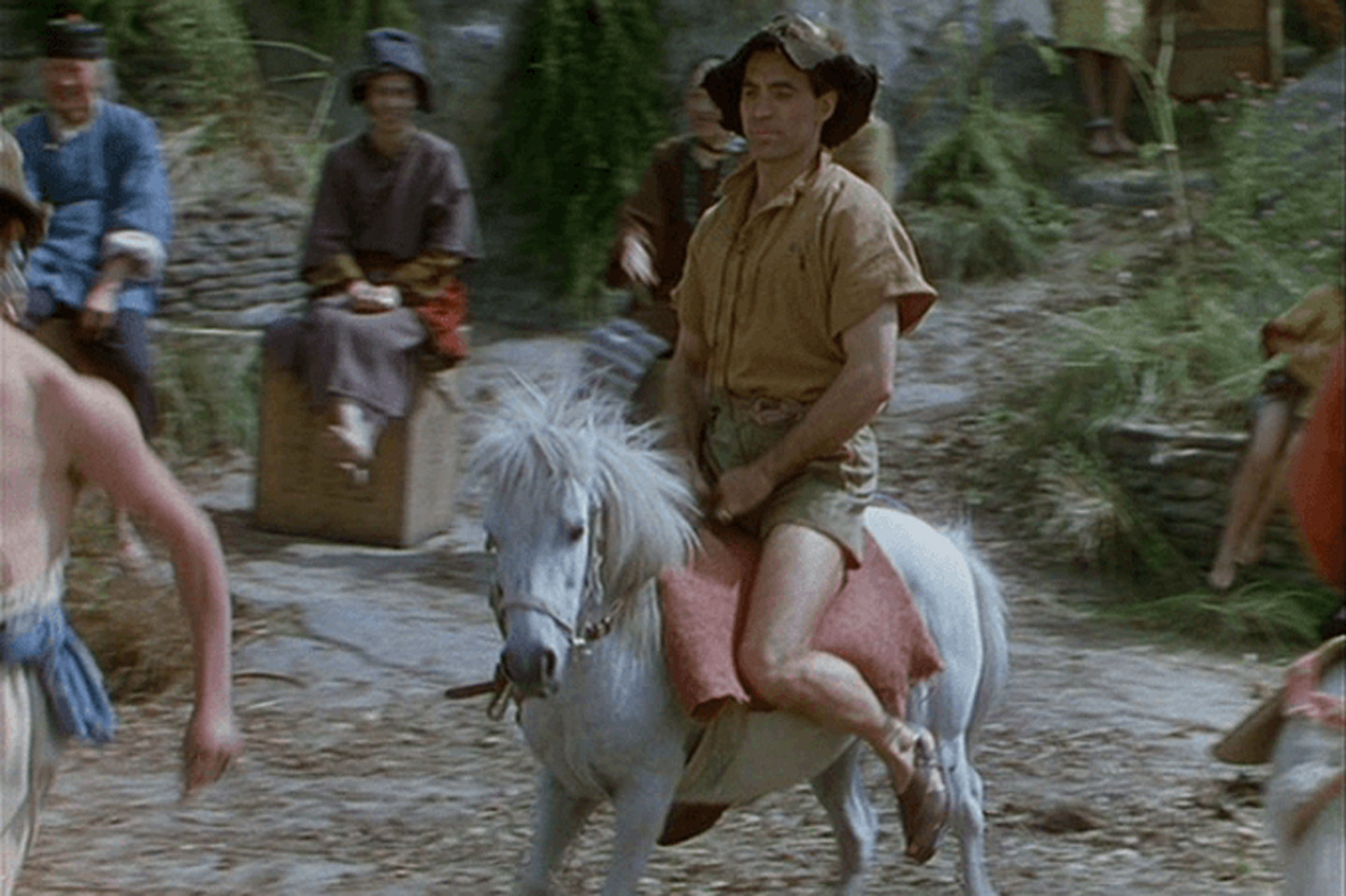
In 1947, Black Narcissus creators weren’t afraid to show ‘ridiculous’ outfits and situations if they served the plot. They focused on storytelling, not pleasing audiences for the sake of it. If you can’t watch the whole film, at least see its fantastic scenes and how these choices didn’t harm its art direction.
One day I went to sleep with this movie on my mind, and the other I woke up with Christopher Nolan’s The Odyssey.
Painting the Mare Nostrum Gray
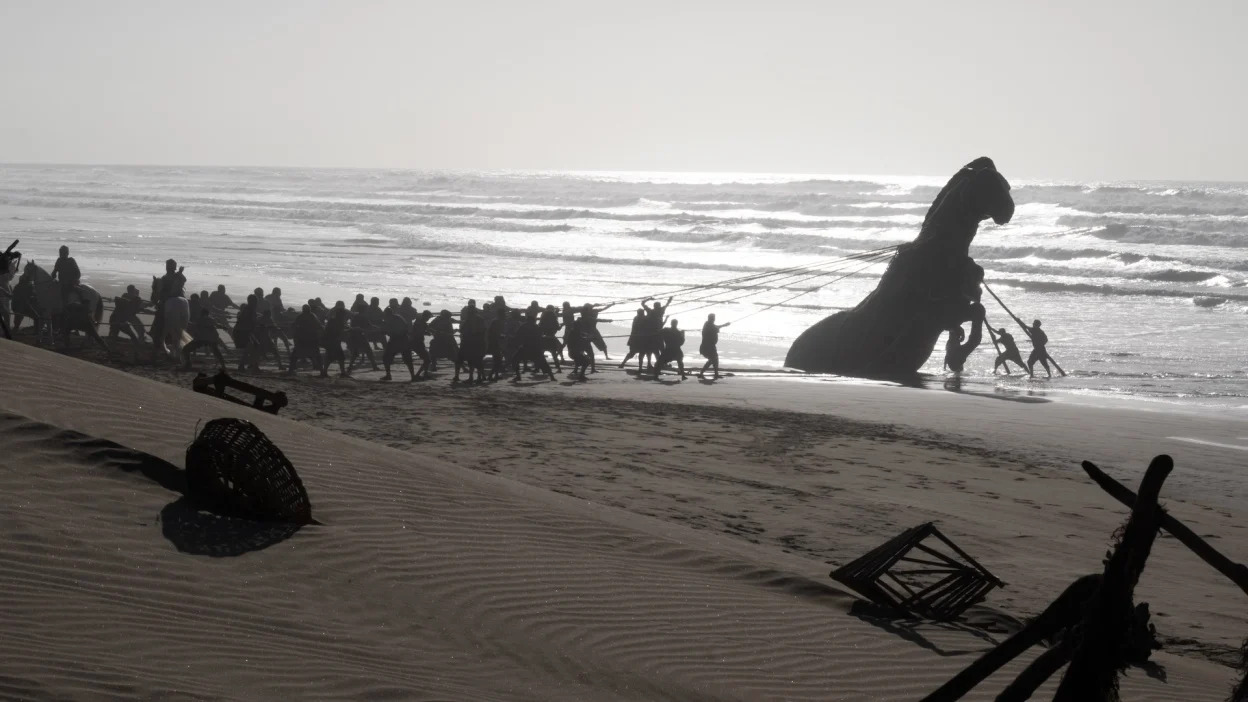
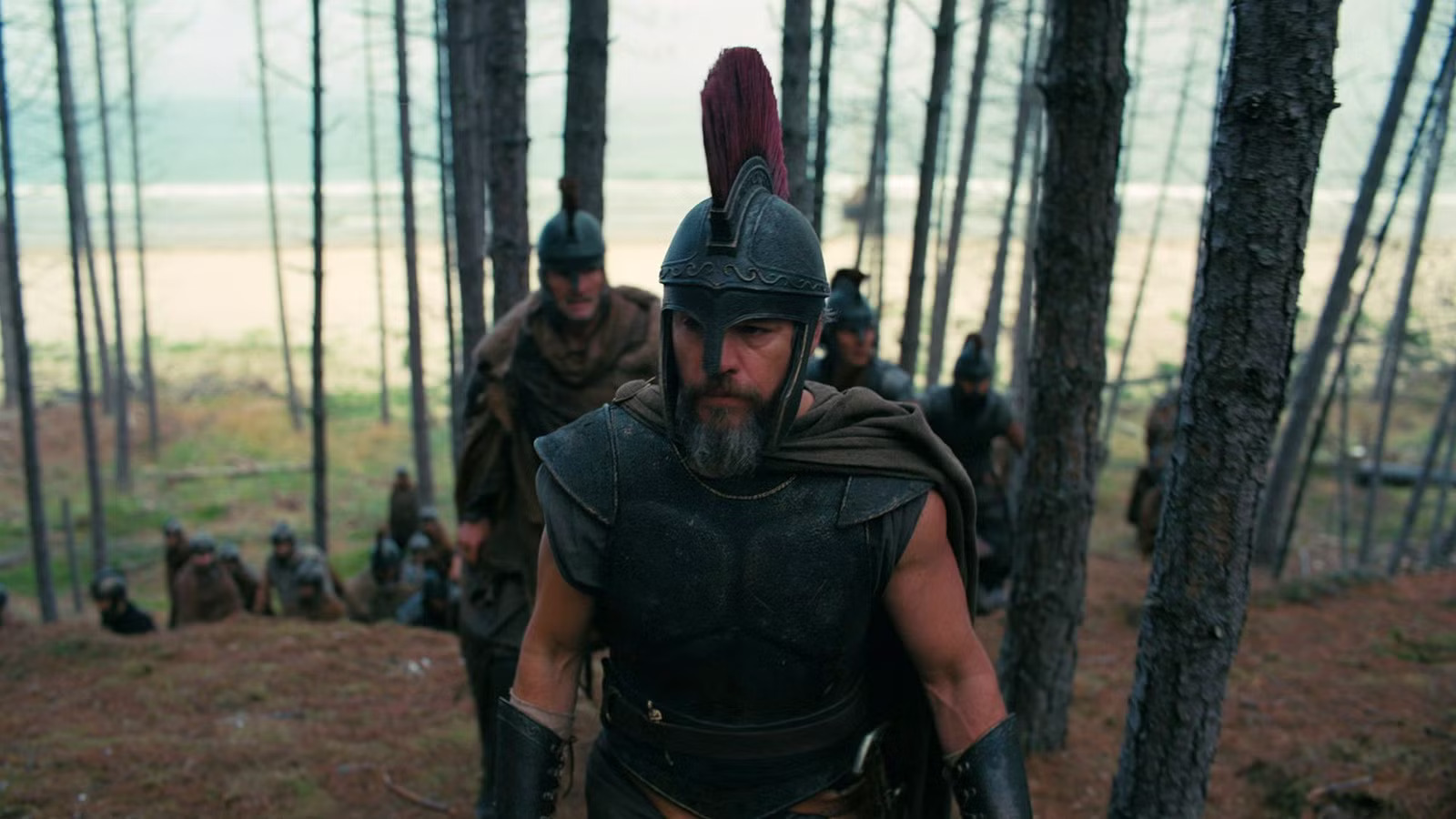
I have already written about Nolan’s choices for The Odyssey, and I have no intention of doing it again—except to ask two questions. How is it possible to shoot such a gray (or sepia) movie in the Mediterranean? And why does everyone dress as if they were living in medieval England? Nolan is too much of a technician for these to be accidental. Since the answer is a choice, not a limitation, I feel free to call it what I think it is: a prejudice carried from minds to the screen.
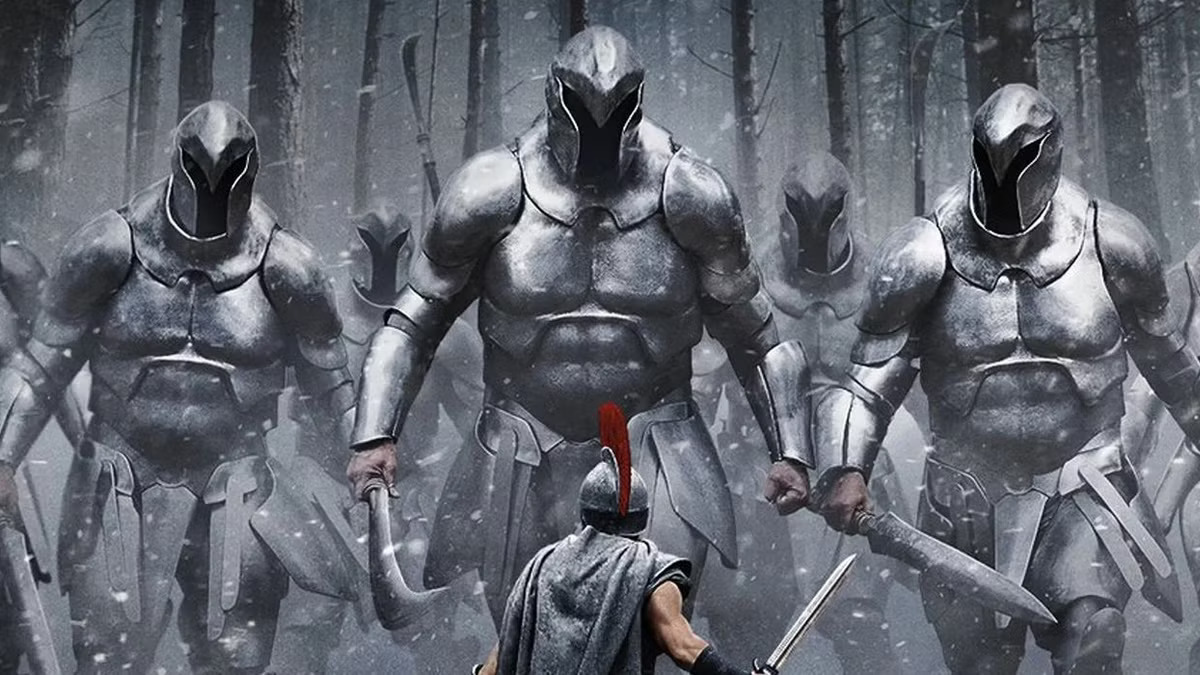
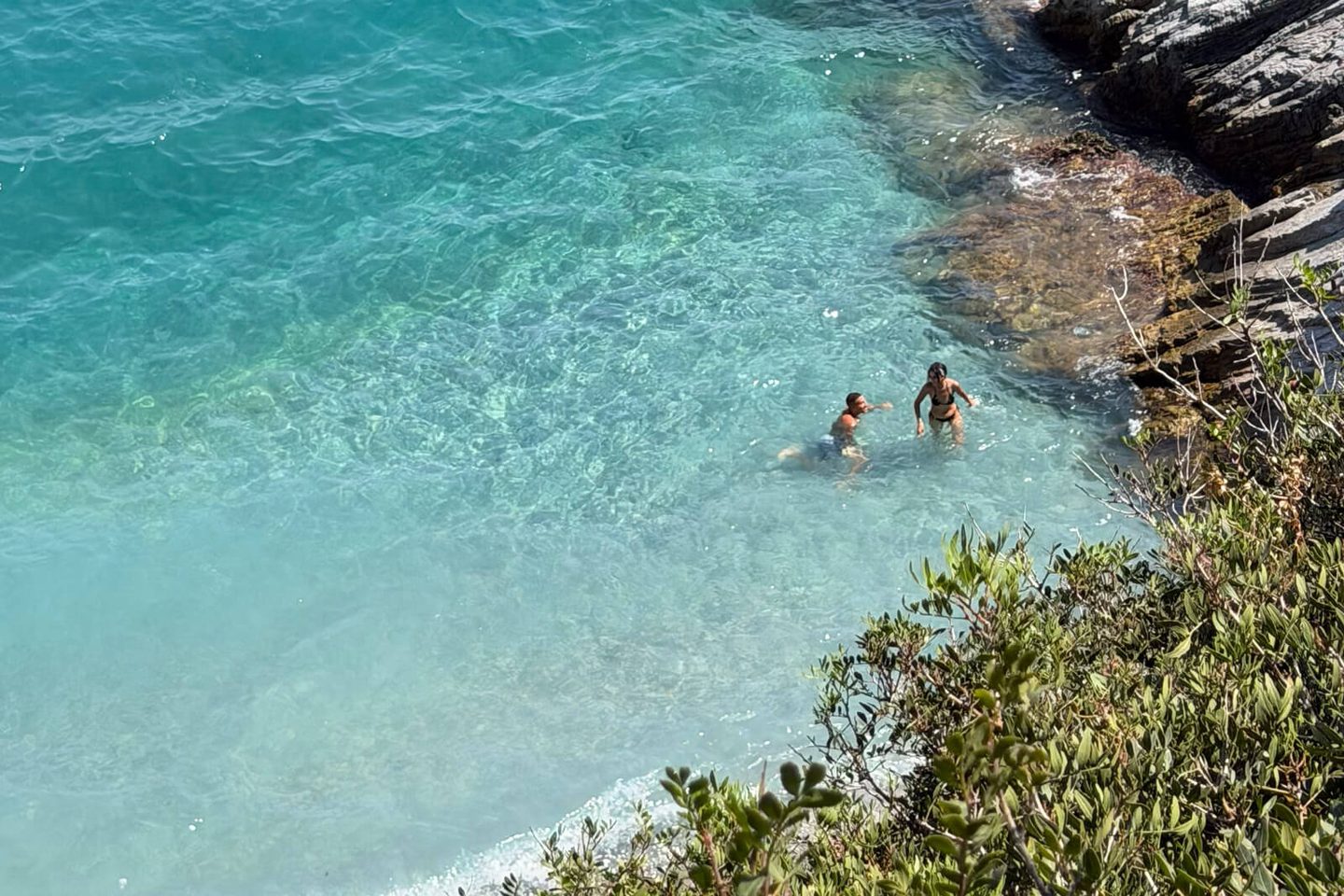
I suspect Anglo-Saxon culture treats vivid colorful palettes and minimal costumes as unfit for epic deeds and philosophical fables. In Hollywood, sunlight and bare skin are reserved for cheap stories, comedies, or children’s films. The moment a tale wants prestige, out come the darkness and the yards of fabric: Troy dipped Homer’s world in bronze, 300 drained Sparta to a sepia mist, and now The Odyssey turns the whole Mediterranean gray. For contemporary Hollywood, the Sicilian island of Favignana’s original colors would do for a new Mamma Mia movie, but never for The Odyssey, the mother of all Western stories. For a story that noble, only a dark, misty sea would do.

Welcome to the Hotdog Epic
Along with the last Gladiator (2024), I believe this movie inaugurates a category I’ve just named the Hotdog Epic. Back in the ’60s, critics coined “Spaghetti Western” for Sergio Leone’s films: Italians manufacturing American myths. The Hotdog Epic is the mirror image—Americans mass-producing Mediterranean myths, processed and standardized like fast food. You take the tricks audiences already love—a revenge plot, a tormented hero, a big and noisy battle—dress them as a Greek or Roman epic, and it’s done. The theaters may be crowded, but the product will always be disposable.
The Spaghetti Western, at least, had the charisma of its actors and the magic of Ennio Morricone. Without them, these Hotdog Epics will need luck to be remembered.

Leave a Reply