Last week, I watched Christopher Nolan’s The Odyssey and left the theater with two distinct thoughts—one about the script and another about the art direction. Each deserves its own focus, and this post will explore the first.
Before anything else, a disclaimer
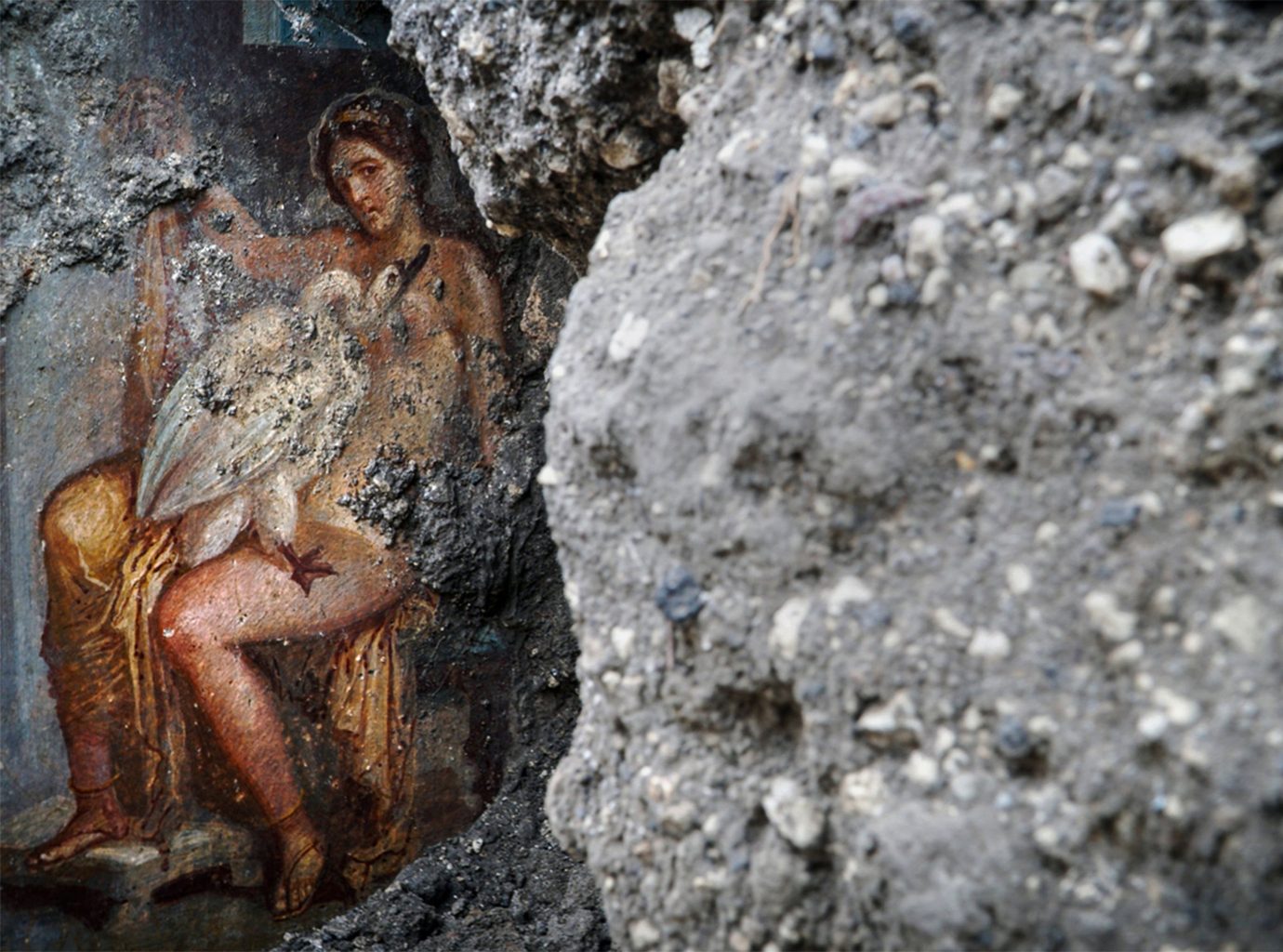
I will not address the fabricated controversy surrounding casting that you might have seen online. The skin color of a demigod is irrelevant to the story—particularly considering Helen of Troy, a character born from a human queen and the god Zeus disguised as a swan.
The “Western Civilization” nonsense deserves nothing but to be ignored, particularly when we are talking about Greek mythology and a poem from almost three thousand years ago. This oversimplification of ‘the mother of all stories’ deserves criticism, but I intend to criticize it on its merits.
A trickster with no tricks.
Beginning with the protagonist: Damon’s Odysseus is portrayed as a loyal knight rather than the most renowned liar in Western culture. The script is reductive to the point of silliness: a righteous captain eager to return his troops home after the war. He shows no affection for Circe or Calypso, and there is no mention of sex or family betrayal during his years across the Mediterranean.
Ultimately, he realizes that war sets the world on fire, even for those who win—only to find himself bathing in the blood of the suitors and the enslaved women of his house, seemingly untouched by the violence he had just meditated on.
Fifteen hundred years of morality, retrofitted
The inconsistency arises from the insertion of personal ideas, such as Christian morals, into Odysseus’ dialogue, which conflicts with the story’s structure. While authors can ‘modernize’ ancient stories, I feel we should be exposed to difficult narratives and grow with them, without feeling the need to “fix” Homer.
The same goes for the film’s historical references, such as the Sea Peoples and the Bronze Age collapse. When characters mention the “Bronze Age,” a term that was only invented in the early 1800s, it triggers my ‘lazy writing’ warning.
No magic, no gods, and a disoriented Athena
Then there’s the issue of the gods. This is a magicless Odyssey; all Olympian influence is omitted: no Zeus, no Poseidon, nothing. I can accept the argument that Athena would appear only as visions to Odysseus, but when the sailors themselves see the magical monsters or demigods, it feels like a cutout script.
What Nolan took from Circe
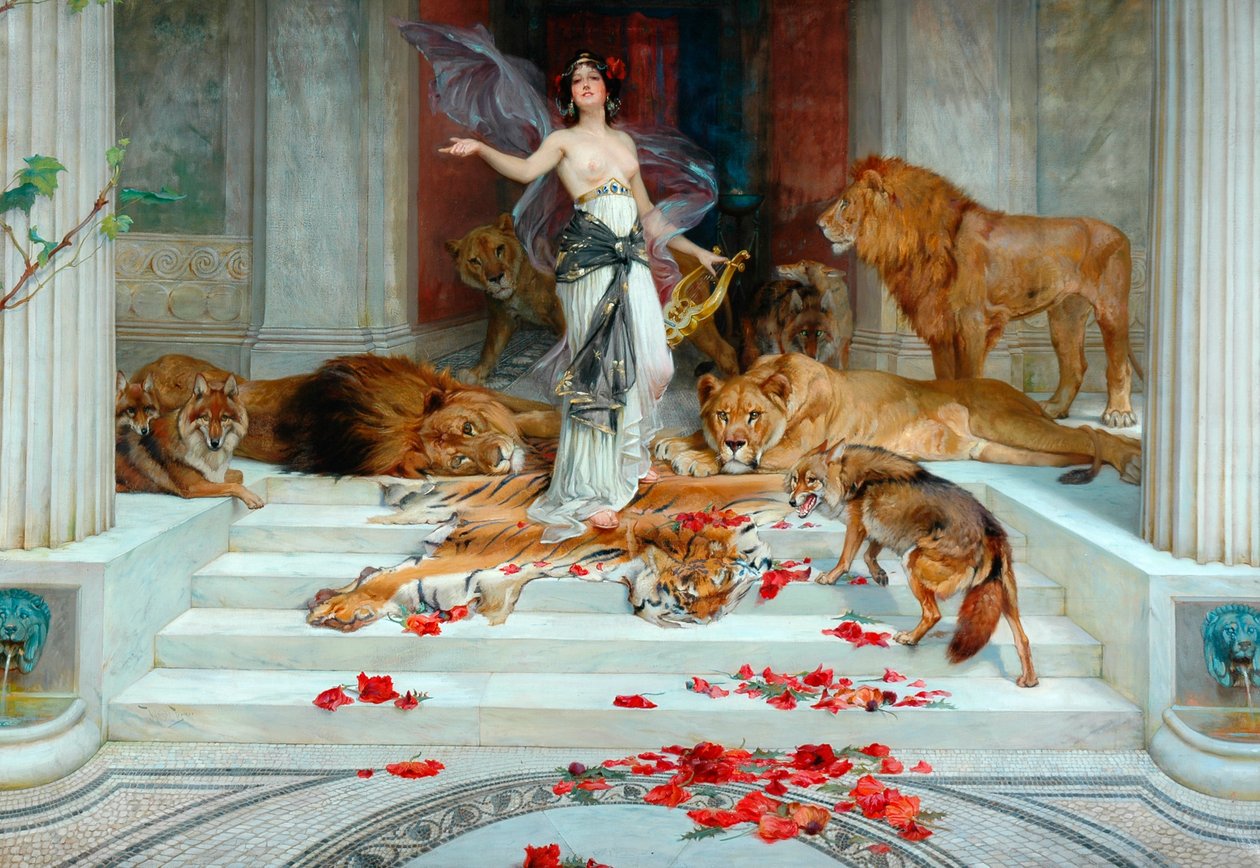
To make things worse, there is Circe. In Homer, she and Odysseus shared not only a bed but genuine feeling; he struggled to leave her. She never kept him captive, and when he decided to leave her for his family, she supported him more than anyone else. To make her even more useless, Nolan chose Tiresias to deliver her navigational counsel directly from the Underworld. Ultimately, the film transforms a beautiful nymph from a temple guarded by lions into a medieval witch with a cauldron and a crow. And Circe’s diminishment is only the sharpest example of a general rule: in this adaptation, no woman matters.
A story that borrowed a name
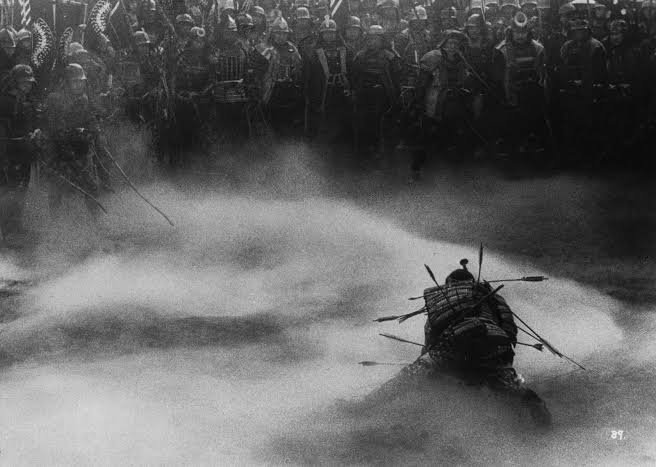
Fundamentally, Nolan could have told his story without calling it The Odyssey. Kurosawa showed the honest way to do this: Throne of Blood is Macbeth in everything but name, inspired rather than based, and brilliant for it. Once you invoke a certain Odysseus, father of Telemachus, fighting his way home to Penelope after the Trojan War, something is owed.
Telling personal messages through the oldest adventure was a creative choice, and Nolan has the right to do so. But unfortunately, the central message of Homer’s work is absent, and the messages that are there do not come from the Greek genius.
Back to Homer, after all
Still, there is a silver lining, and it is not small. The film will send people back to the original story. New readers will discover the real Odyssey, notice the differences, and find their way to the many translations available today. In a world where people read less and less, that is one thumbs-up for Nolan—after all the thumbs-down I’ve given him here.

.jpg)
One response
[…] have already written about Nolan’s choices for The Odyssey, and I have no intention of doing it again—except to ask two questions. How is it possible to […]