In some languages, like Italian, the formal second person still exists. It’s expected that you use Lei to address someone you do not know or whose position demands a certain distance, rather than Tu.
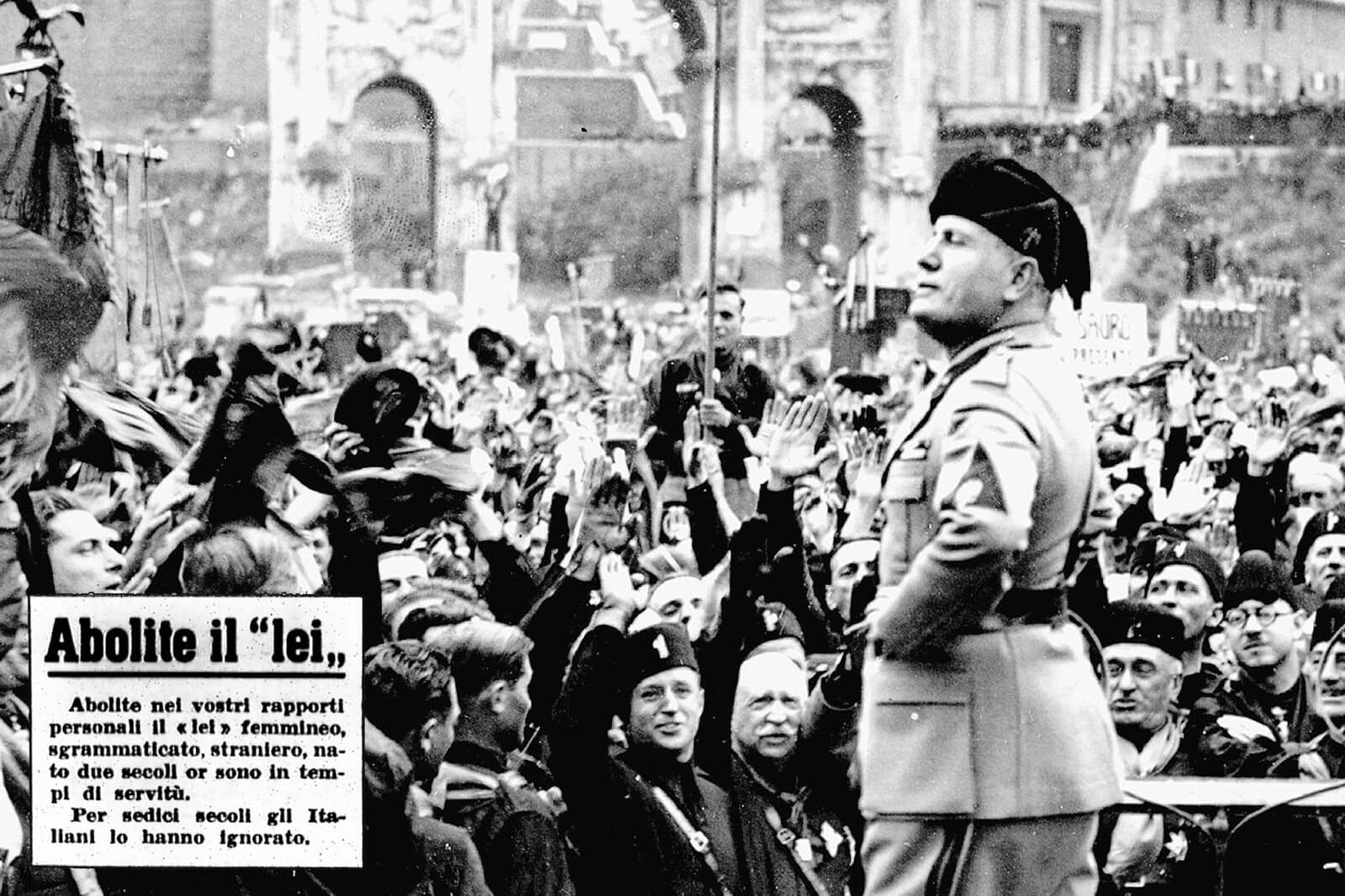
Back in 1938, Mussolini banned this formal use. Riding his anti-globalization linguistic nationalism, he demanded Voi to be used as the mandatory pronoun. Lei was too aristocratic and insufficiently Italian, with its origins clearly tied to the foreign Spanish, once the language of the invaders.
In others, like English and Portuguese, it was swallowed up, providing a language with nothing to mark differences at all. It happened slowly, and nobody declared it a crisis. The Intimacy Vs Formality duality simply disappeared into uniformity.
The armor we were told to drop
In the culture I was raised in, informality is praised as authenticity, and the democratic alternative to the cold formality of institutions we had good reason to distrust. For a long time, this felt like the only honest position. Be bold. Be direct. Drop the armor.

Lately, I have been returning to some concepts I was taught to distrust: formality and restraint, not as aesthetic preferences, but as structural ones. They were essentially shared agreements that certain things, even if thought, were not said or done. This guaranteed that public performances required maintaining a symbolic order, even among those most eager to transgress it.
An Era of Speaking the Unspeakable
The internet, Silicon Valley culture, and the advent of social media did not simply make communication faster or more democratic. They made exposure the dominant register by relabeling restraint as evasion. The informal and unfiltered became markers of authenticity, and authenticity became the highest value. Saying the unsayable became proof of courage.
And our politicians learned this quickly.
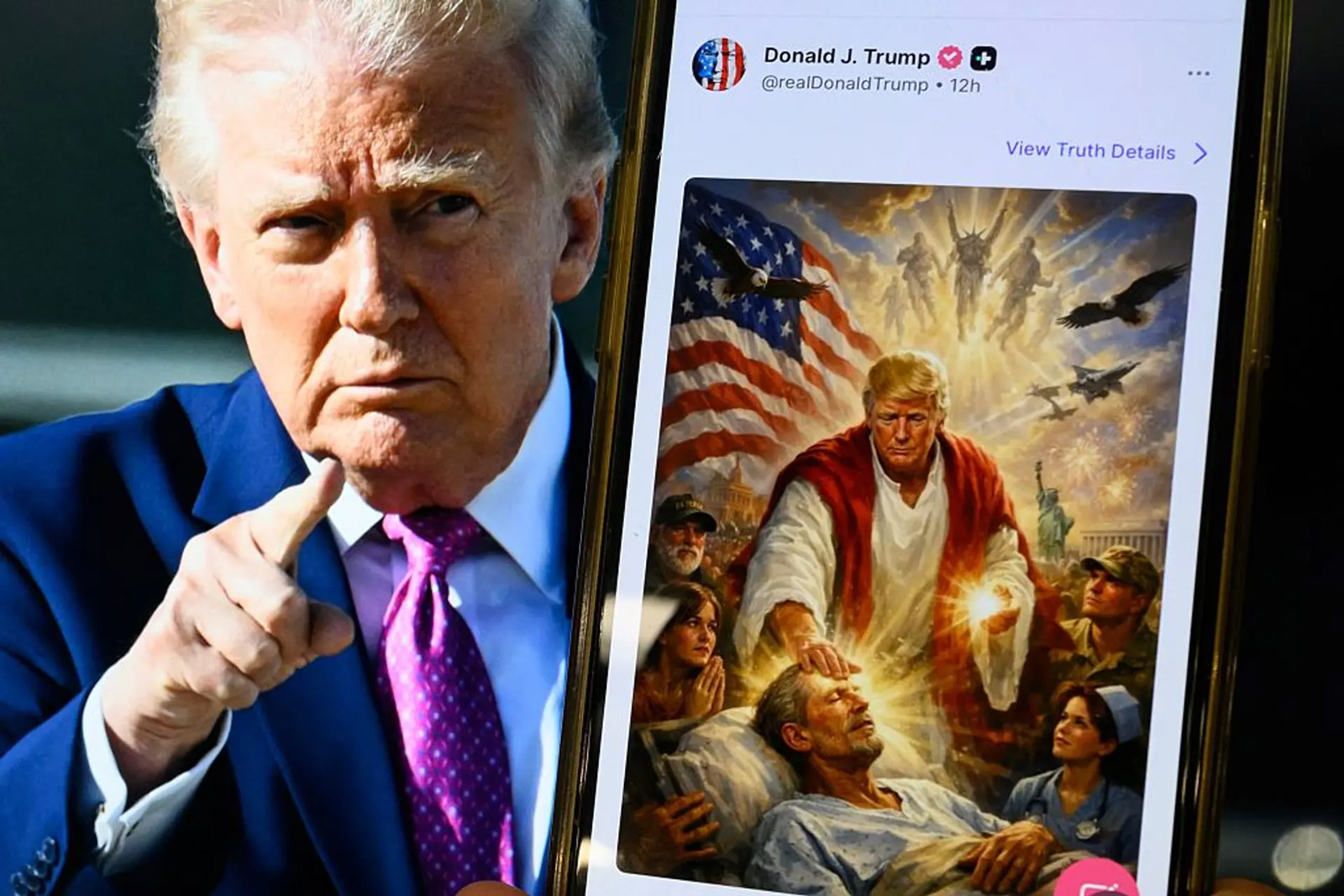
The Vatican recently observed, with a quiet preoccupation, that not even Mussolini (or his German duplicate) attempted to dominate Christianity as is being attempted now. They had intentions, certainly. But they knew there was a decorum to respect—not out of virtue, but of strategic necessity. The performance of legitimacy required operating within a shared symbolic order, even while violating everything that order was supposed to protect. None ever admitted to ordering an execution. None of them ever taught theology to a Pope or used fabricated images of themselves as Christ.
Edmund Burke wrote that example is the school of mankind, and that people will learn at no other. When leaders speak the unspeakable — when they declare the intention to annihilate a population without consequence — the limits reveal themselves as contingent. And there will be followers of the style.
What disappeared into uniformity
I was raised to see formality as the enemy of connection, because it has been used to exclude, to gatekeep, to make people feel unwelcome in rooms they had every right to enter. There is a real case against it, and I won’t deny it.
But I think I confused the container with the contents. Decorum was not about courtesy. It was a friction — a system of symbolic costs that even bad actors had to account for. Its dissolution did not free us from power. It freed power from having to justify itself at all.
We borrowed the word uniformity from Latin. It literally means having one form. I used to think that was a gain—one less wall between people. I am less sure now what we lost when the difference disappeared, and whether we will notice before we need it back.
Cover photo by Soroush H. Zargarbashi on Unsplash

One response
Hypocrisy had its decent uses as well: oftenour leaders rhetorically aimed at the stars but wound-up in the gutter, now a certain fraction of them ‘honestly’ aim for the gutter and end-up in tbe sewers.