
I came to Shakespeare late, not as homework, but by choice. A phrase from my father echoed: nothing new came to Literature after his work. In 2026, with my old man still around, I decided to take a leap of faith into this universe known to be ‘tough’ for those born non-English-speaking.
I found a collection on Vinted, an app for secondhand clothes, that happened to be hiding this navy-and-gold Fabbri Editori set of bilingual books in English and Italian. It felt right to inherit these plays secondhand. They might have faced diverse situations and yet made their way to where they were destined to be, here with me.
The Two Gentlemen of Verona
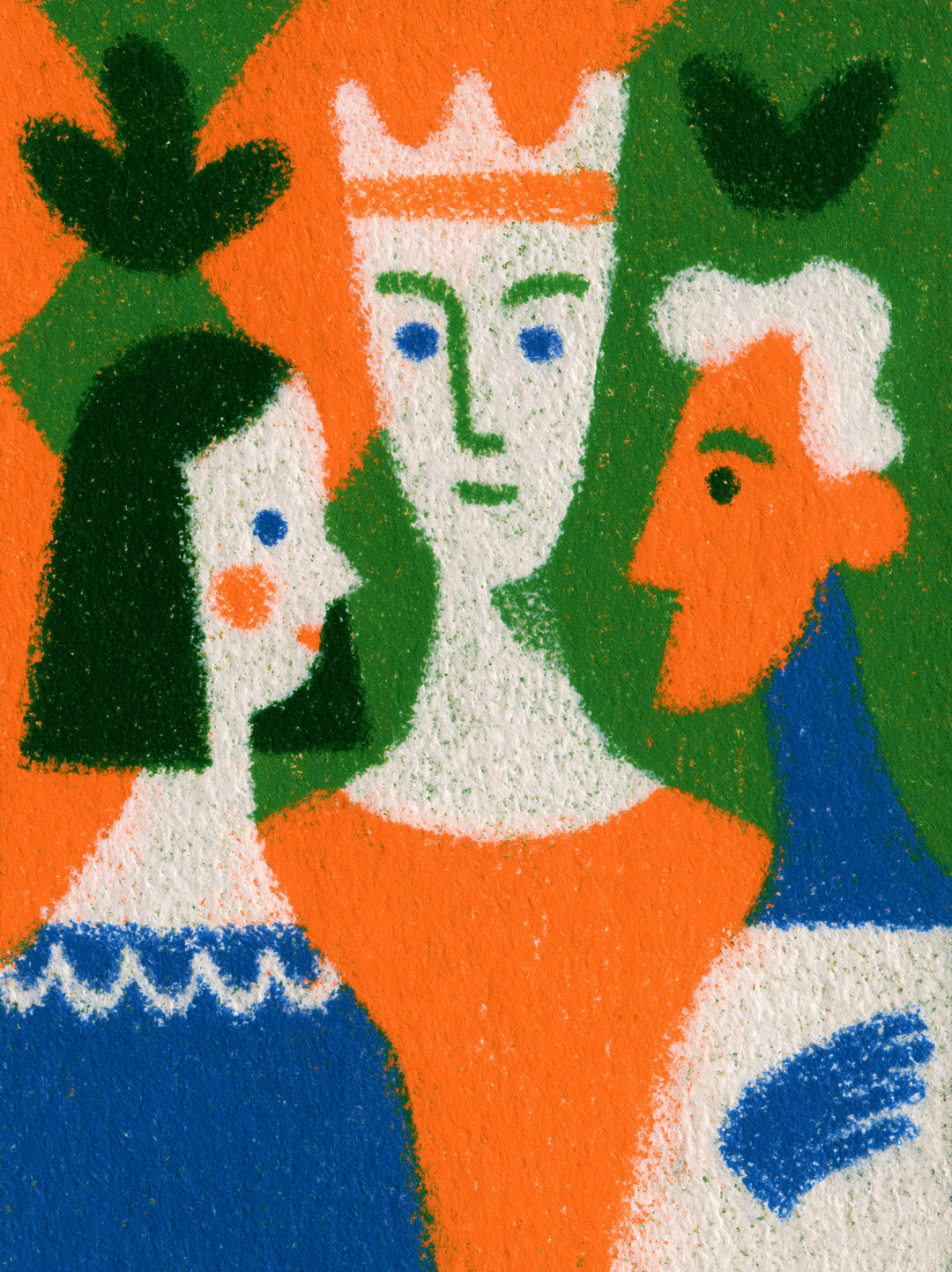
The Two Gentlemen of Verona is early, and it shows. But what caught my attention was the obligation to end happily. Valentine forgives Proteus almost immediately after Proteus tries to force himself on the woman they both want, and everyone is smiling anyway; the convention bends the story toward a resolution it hasn’t truly earned.
The Two Gentlemen of Verona
William Shakespeare
Much Ado About Nothing
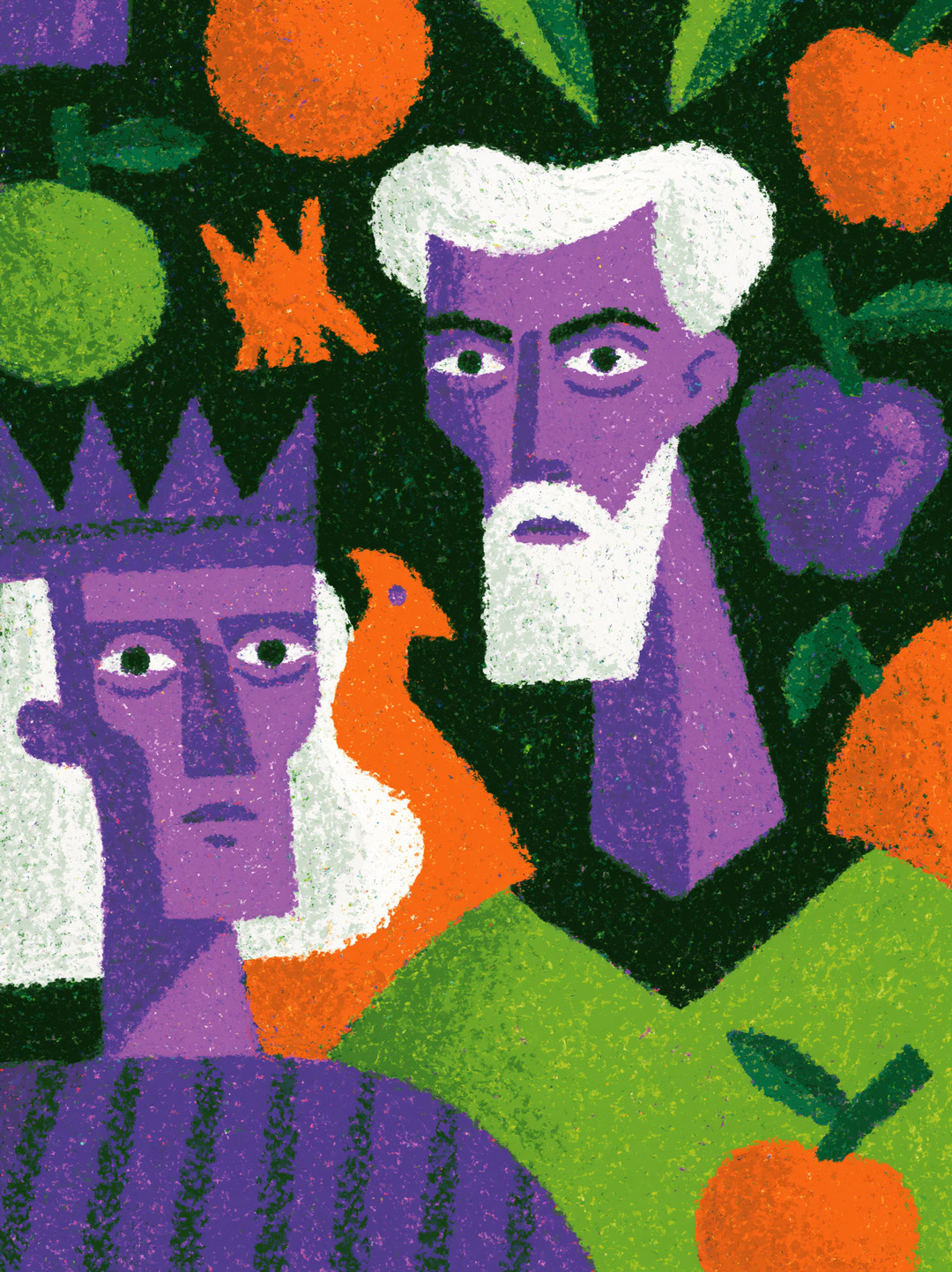
In Much Ado About Nothing, the machinery of the engineered mistakes now runs smoothly. You can tell the playmaker is shaping his skills. Even then, the shaming of Lady Hero comes out awkwardly, as if the one thing his growing craft couldn’t fix was the neglected human cost in the situations created.
Much Ado About Nothing
William Shakespeare
Coriolanus
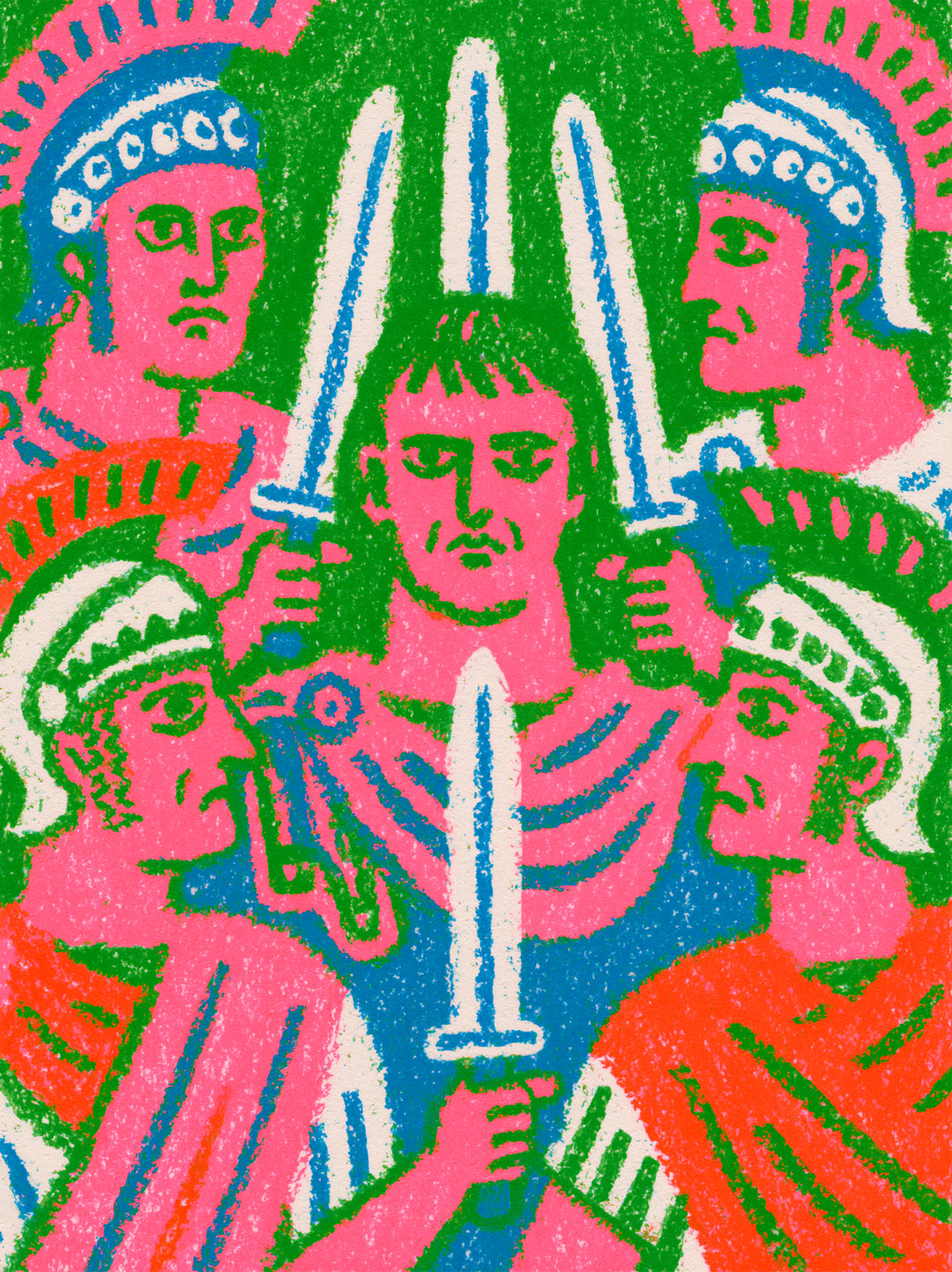
Coriolanus surprised me the most. I thought I knew Roman Shakespeare from Julius Caesar and Antony and Cleopatra, but those works cloak their politics in grandeur; this one strips it down—a bread riot, votes, grain, the ugly mechanics of manufacturing consent, and a soldier too proud to court the crowd. Even though it isn’t as famous as the others, it might be his most modern political play.
Coriolanus
William Shakespeare
Macbeth
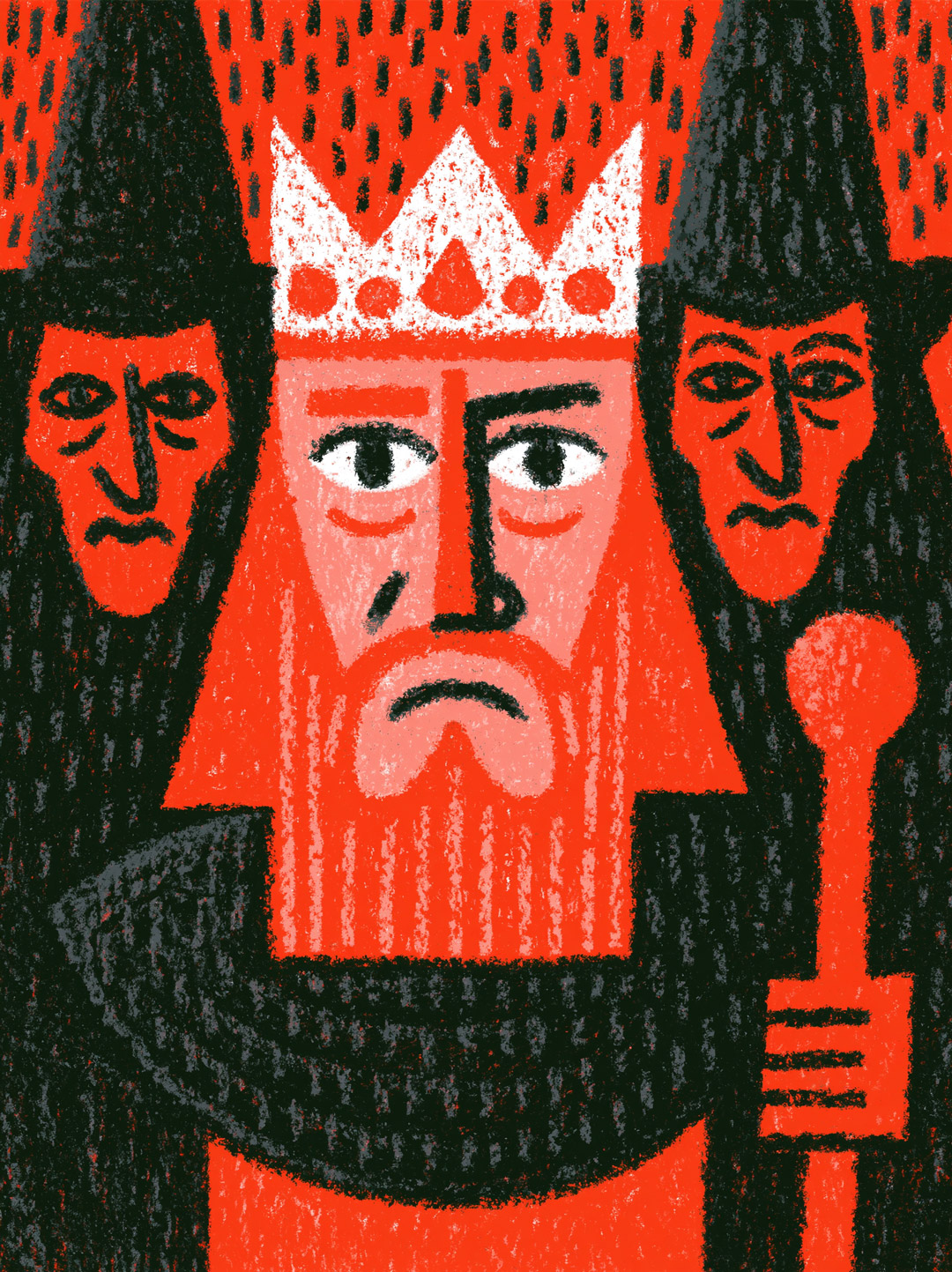
And then we arrive at my favorite, the do-famous Macbeth. I was surprised by the speed of the tragedy, but the quick pace only clears the stage for the aftermath. It is when a ghost haunts Macbeth, and Lady Macbeth deals with a stain she cannot scrub away. Those tormented moments stayed with me long after the blow that took the head of the Scottish king slayer to end the cursed tale.
Macbeth
William Shakespeare
A Midsummer Night’s Dream
In the very theatrical A Midsummer Night’s Dream, a tale involving clumsy fairies and a love potion intended to bring couples together, I got hooked by a detail. By the end, the Greek mythological figure Theseus waves poets away as lunatics. The ordinary hero, the man of the sword, sneers at the one who merely makes things and cannot fight as he can. As entertainment, the joke is on the creator—or Shakespeare himself—left to be bullied inside his own play.

A Midsummer Night’s Dream
William Shakespeare
The Tempest
The Tempest, near the close of the Bard’s career, reshapes the topic of the creator raised on AMSND, and has a post for itself. Here, the maker commands revenge but ultimately forgives his enemies. In his final lines, he turns to the audience, asking that his creation be known and released. The figure once laughed at for only imagining returns crowned, while the author signs off in open praise of the people who create.

The Tempest
William Shakespeare
As in many other questions, my father was right. Shakespeare encompasses all the love and hate, beauty and ugliness of the world. After him, we can only remix—as long as we know the good stuff to use as a reference.

Leave a Reply